
Last updated November 21, 2026
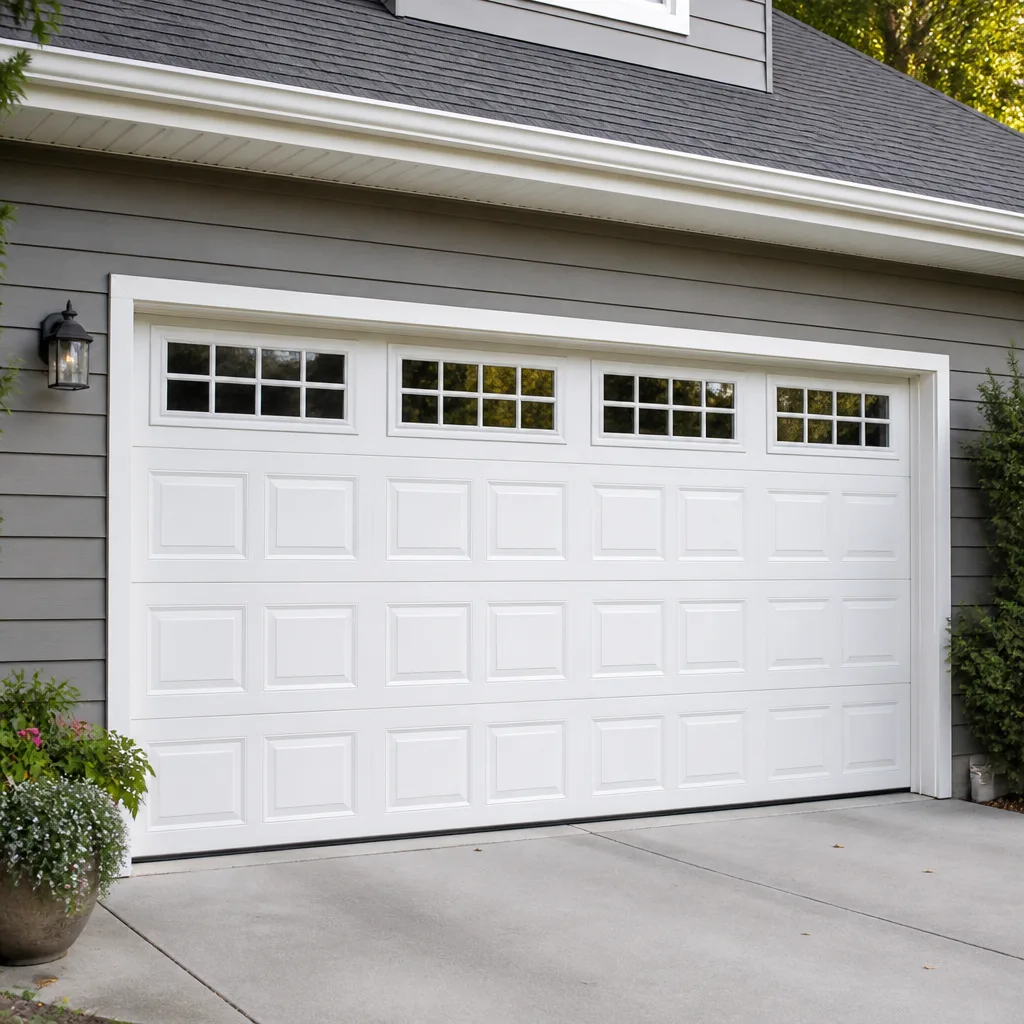 Raised-panel steel
 Carriage house
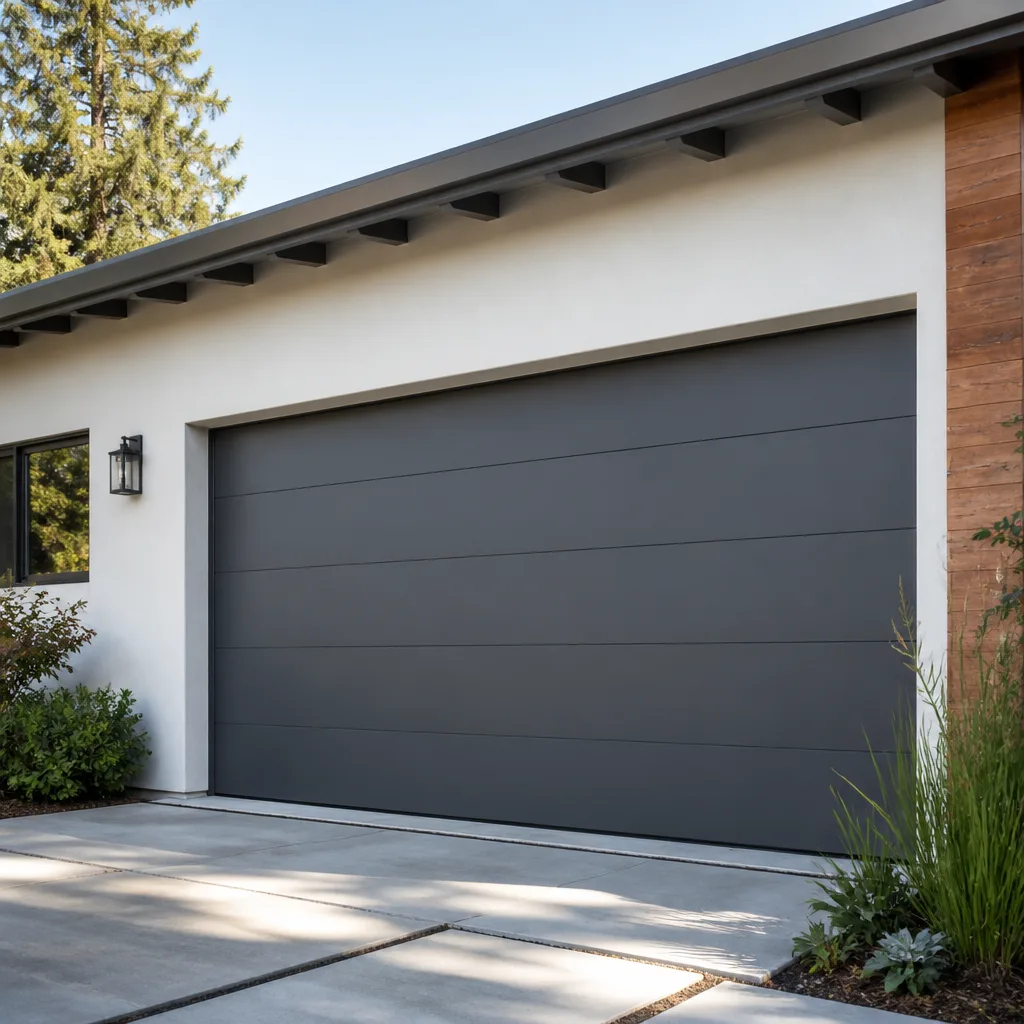 Modern flush
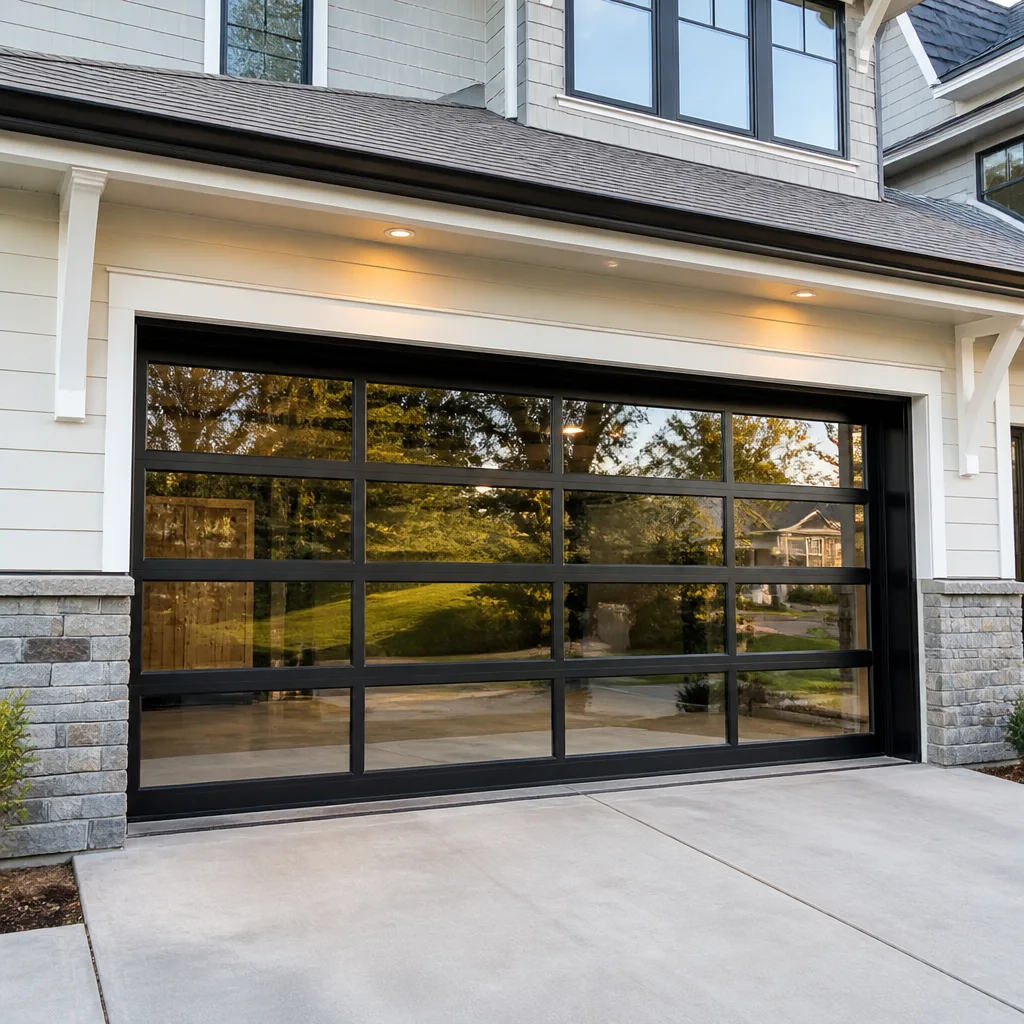 Full-view glass
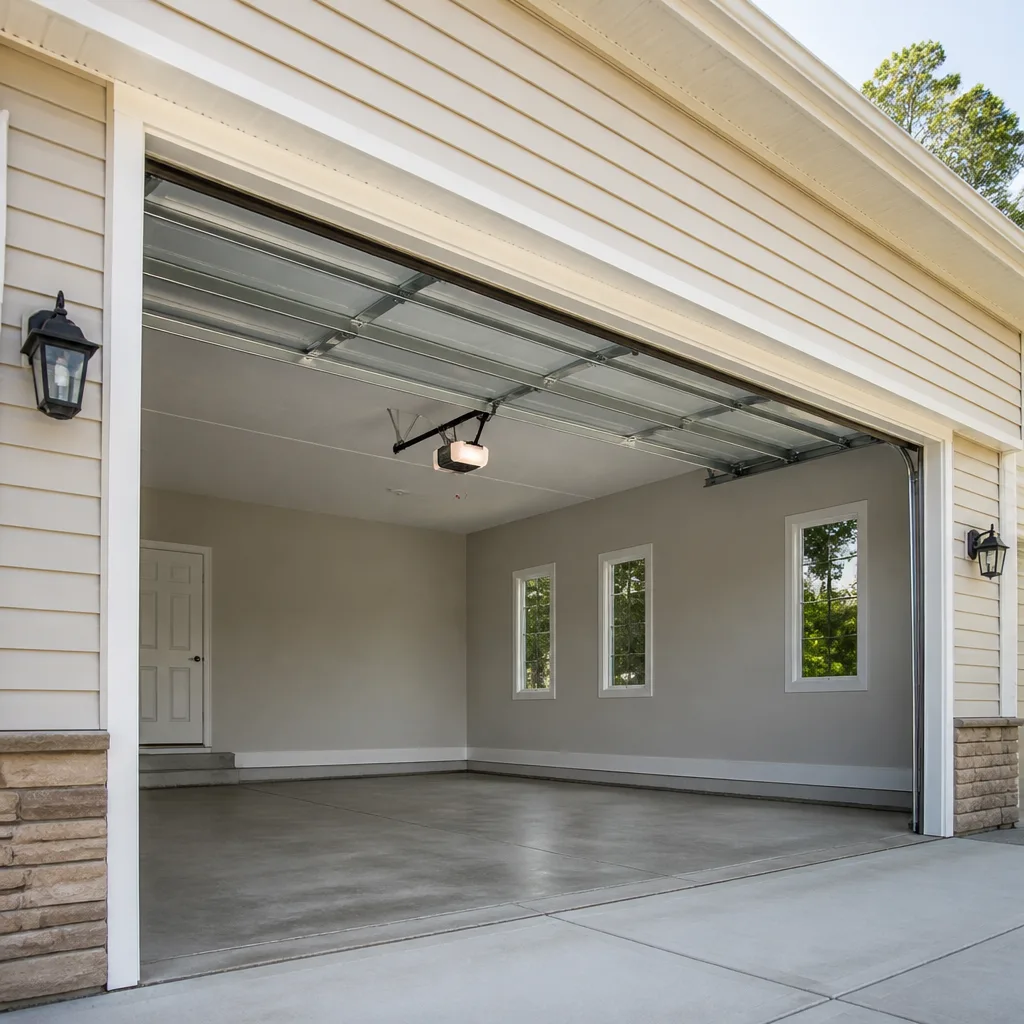 LiftMaster openers
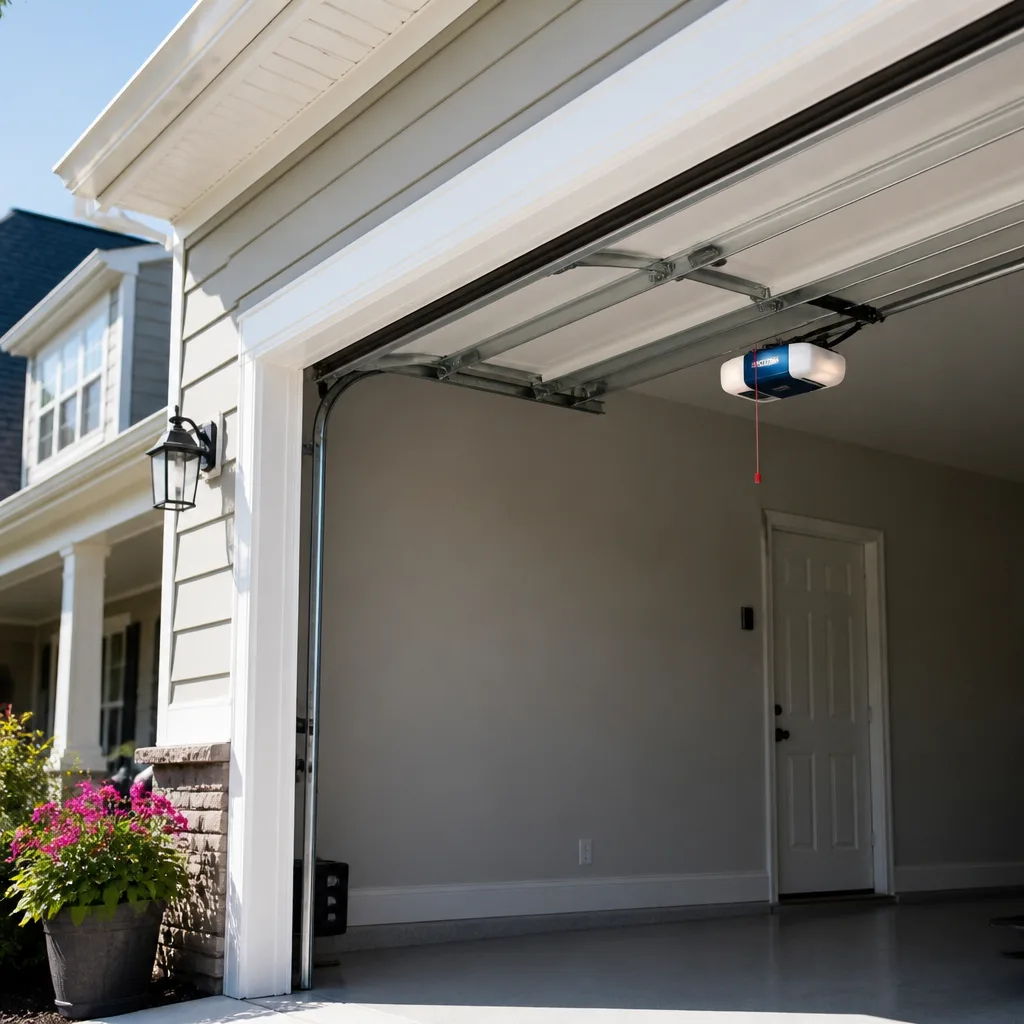 Chamberlain openers
Full 25-point door and opener safety check with every visit - springs, cables, rollers, tracks, and your LiftMaster or Chamberlain opener included
You get a price before we start. It does not change when the pro arrives.
Get your free estimateGarage Door Warning Signs: An Easton Homeowner’s Reference Guide
A garage door that hesitates for a split second before it moves isn’t being slow to warm up. That pause is early opener gear wear, and many homeowners ignore it for months until the door stops opening altogether. The same pattern repeats with almost every major garage door failure: a snapped spring, a stripped gear, a cable that jumps its drum. Each one announces itself first through sound, feel, or something visible on the door itself. This guide teaches you to read those signals in your own Easton garage, so you can act on a small repair instead of absorbing a much larger one later. We’ll cover what each noise means, what damage actually looks like on each component, which warning signs can wait a week, and which mean you should stop using the door today.
Quick Answer
Garage door warning signs fall into three categories: sounds (grinding, squealing, popping, rattling), visual damage (spring gaps, frayed cables, worn rollers, bent tracks), and behavior (hesitation, reversal, uneven travel, one side sagging). Any warning sign involving a spring, a cable, or the door coming down unevenly means stop using the door and call a professional. Squeaks, worn rollers, and slow opener response can usually be scheduled within the week.
Styles & brands we work with
- Raised-panel steel
- Carriage house
- Modern flush
- Full-view glass
- LiftMaster openers
- Chamberlain openers
Table of Contents
- The Audio Diagnostic: What Each Sound Tells You
- Visual Red Flags, Component by Component
- Behavioral Signs: How the Door Moves and Responds
- Urgency Triage: This Week vs. Today
- How to Document Warning Signs Before a Technician Arrives
- How Easton Weather and Seasonal Shifts Affect Your Door
- Common Mistakes to Avoid
- When to Call a Professional
The Audio Diagnostic: What Each Sound Tells You
Your ears are the cheapest diagnostic tool in the garage. Garage doors are mechanical systems with a limited set of moving parts, and each part fails with a fairly consistent sound. If you learn to separate the four main sounds, you can usually tell a technician what’s happening before they arrive, which shortens the visit and often the parts order. Here’s what each one typically indicates at the component level.
- Grinding usually comes from the opener’s gear and sprocket assembly, or from rollers that have lost their bearings and are dragging steel on steel. On chain-drive openers, a dry or worn chain can produce a low grind. A high-pitched grind concentrated at the opener head often points to stripped gear teeth.
- Squealing is almost always friction: dry torsion springs, dry rollers, or a chain that needs lubrication. It’s the least urgent sound on this list, but it’s a genuine early warning that parts are wearing faster than they should.
- Popping is the sound most homeowners should treat as a stop sign. A single sharp pop followed by a door that won’t lift usually means a torsion spring has broken. Repeated smaller pops can indicate a cable jumping its drum, which is equally dangerous.
- Rattling points to loose hardware: hinges, brackets, bolts, or a track that has worked its way out of alignment. It’s rarely urgent on its own but often the first sign of a bigger problem, particularly a bent track.
One practical tip from our experience: listen with the garage door closed and the room quiet, then again with the door opening. Some failures only show up on the way up, when the springs are doing their heaviest lifting. If you hear nothing unusual but the door still feels heavy or slow, the problem may be mechanical rather than audible, and the visual inspection below will catch it. For Easton homeowners, the sound check takes about 30 seconds and is worth doing once a season.
Visual Red Flags, Component by Component
A five-minute walk around the door with a flashlight will surface most early damage. The key is knowing what you’re looking at on each component, because the same damage looks different depending on where it is. Here’s what to look for, in the order we’d inspect a door.
- Springs. Look above the door for a torsion spring running parallel to the header. A healthy spring is a continuous coil. A visible gap anywhere in the coil means the spring has broken. On older extension-spring doors (the springs that run alongside the tracks), look for a stretched or sagging spring that no longer looks uniform.
- Cables. The two steel cables run from the bottom corners of the door up to the drums. Look for fraying, kinks, or a cable that has come off the drum. Any visible cable damage is a stop-and-call situation.
- Rollers. Each roller sits in the track and should be round and quiet. A flattened, cracked, or wobbling roller means replacement is due. Look for black dust on the track, which often means a roller is wearing down.
- Tracks. Run your eye along each track from the floor to the ceiling. A bend, a dent, or a section that has pulled away from the door frame means the door is no longer traveling true, and the door should not be cycled until it’s fixed.
- Panels. Look for dents, cracks, or separation between sections. A panel coming loose at a hinge can cause a serious bind, and a cracked bottom panel on a wood door often points to moisture damage.
- Weather seals. The bottom seal and the side seals are the door’s first line against drafts and water. A torn or brittle bottom seal lets in air and water, and a gap at the sides lets in cold air and pests.
Photograph anything you find while you’re up there. A picture of a broken spring or a bent track is the fastest way to get an accurate parts quote, because a technician knows exactly what to bring before the visit. We stock and supply garage door parts on the service side, which means most repairs don’t stall waiting on a special order. That matters in Easton, where a door left open while waiting for parts is a genuine security issue.
Behavioral Signs: How the Door Moves and Responds
Behavior tells you things a visual check can miss. A door can look fine while its movement exposes an opener on the way out. In our experience, the four behavioral signs below cover the vast majority of early opener and balance problems, and each one maps to a fairly specific probable cause.
- Door reverses before closing. If the door goes down and then goes back up, the safety sensors are the first thing to check. Dirty or misaligned sensors are the most common cause. If the sensors are clean and aligned and the door still reverses, the issue may be in the travel limits or the opener’s logic board.
- Uneven movement or one side rising faster. This usually means the door has lost balance, often a sign of a spring that’s weakening or a cable that’s slipping. An unbalanced door puts extra load on the opener and is a common cause of premature gear wear.
- Slow response or a delay before moving. That pause before movement is often early opener gear wear, particularly on older LiftMaster and Craftsman units. Left alone, the gear strips and the door stops opening entirely.
- Sagging on one side when open. A door that hangs slightly lower on one side is telling you the torsion system is out of balance or a cable has jumped. This is a stop-using situation.
Try this test to isolate which system is at fault: with the door closed, pull the manual release (the red handle) and lift the door about halfway by hand, then let it go. A well-balanced door will hold roughly in place. A door that feels very heavy or drops fast has a spring or balance problem, and the opener is likely working much harder than it should. Re-engage the opener carefully, and if the door is hard to lift, stop using it. A heavy door is a spring problem, not an opener problem, and diagnosing it correctly on the first visit is the point.
Urgency Triage: This Week vs. Today
The most useful skill in this guide is knowing which warning signs give you time and which don’t. Misreading the urgency cuts both ways: ignoring a broken spring can damage the opener and warp the door, and treating a squeak as an emergency wastes your afternoon. Here’s how we sort them.
Stop using the door and call today:
- A visible gap in a torsion spring, or a single loud pop followed by a door that won’t lift. These are high-tension components, and a broken spring can leave the door in an unsafe state.
- A frayed, kinked, or jumped cable. Never touch a cable under tension. This is a job for a trained professional with the right tools.
- A bent or detached track, or a door that has come off one of its tracks.
- A door sagging on one side when open.
- Any situation where a child, a pet, or a car is at risk because the door won’t close and stay closed.
Schedule service this week:
- Squealing, grinding, popping, or rattling when the door cycles, as long as the door still operates smoothly.
- Worn rollers, loose hinges, or a rattling track that hasn’t bent.
- Door reversal caused by dirty sensors, which you may be able to resolve by cleaning the sensor lenses and realigning them.
- A torn bottom seal or worn side seals, which affect comfort and energy use but not safety.
If you’re not sure which category a sign belongs to, err on the side of caution. It’s free to ask. Call (866) 926-2341 and describe what you’re hearing or seeing. We answer 24/7, and we’ll tell you whether to stop using the door or schedule a visit.
How to Document Warning Signs Before a Technician Arrives
A few minutes of documentation makes the service visit go faster and often lets us bring the right part on the first trip. A clear description also helps you avoid a second visit, which is the real value here. Here’s how to do it.
- Photograph the damaged part. Get a close, well-lit shot of the broken spring, frayed cable, bent track, or worn roller, then a wider shot that shows where it sits on the door. Both help a technician confirm the diagnosis before arriving.
- Record the sound. A 10-second video with the door cycling often tells us more than a description. Make sure the door is safe to operate before you record it (no broken spring, no jumped cable).
- Note the brand and model. Look for the opener’s label on the motor head and the door’s sticker on the inside frame. Knowing whether you have a LiftMaster, a Craftsman, or a Raynor door and opener lets us match parts and avoid a second trip.
- Write down the behavior. Note exactly when the problem happens: on opening, on closing, at a specific point in travel, with a specific remote, or with the wall switch. Small details point straight to the faulty component.
- Jot down the date and conditions. Cold mornings, after rain, or after a power flicker are all useful context. In Easton, a door that only misbehaves on cold mornings is often a spring-balance issue rather than an opener fault.
When you call, share the photos and video. On this trade, that’s the difference between an accurate first-visit repair and a “we’ll have to come back with the right part” second visit.
How Easton Weather and Seasonal Shifts Affect Your Door
Easton’s winters are the season when garage door problems cluster. Cold contracts metal, thickens lubricant, and stiffens weather seals, and a door that was borderline in October often fails in January. The result is a predictable wave of spring, opener, and balance problems as temperatures drop. Three seasonal habits cut down on the calls.
- Fall lubrication. A light application of garage door lubricant on hinges, rollers, and springs before the cold sets in reduces the friction that wears parts faster. Wait until after the first cold snap and you’ll often be dealing with a squeal that’s already damaging rollers.
- Spring check in spring and fall. Look at the torsion spring before and after winter. Any visible gap means it’s time to call. A spring doesn’t usually snap without warning; the warning is often a door that’s been getting heavier over weeks.
- Seal check at the change of season. A cracked bottom seal lets in cold air and water, and water at the door’s base is a slow cause of panel and hinge damage. This is one of the cheapest fixes on the list and one of the most ignored.
The behavioral clues matter more in Easton’s cold months, too. A door that hesitates on a cold morning is often showing early gear wear, and the pause tends to lengthen through the winter. Catching it in November is a small repair; catching it in February is often a door that won’t open and a car stuck in the garage. Our technicians have up to 8 years of experience, and a lot of that time has been spent on cold-weather calls where the diagnosis comes down to knowing whether the door or the opener is doing the failing.
Common Mistakes to Avoid
- Trying to fix a spring or cable yourself. Torsion springs and cables are under high tension and can cause serious injury if released incorrectly. A trained technician has the right tools and training for this. Always call a professional for spring and cable work.
- Ignoring a hesitation as “just warming up.” A door that pauses before moving is showing early opener gear wear. Six months of ignoring it usually turns a gear replacement into a full opener replacement.
- Greasing the tracks. Tracks should be clean and dry. Lubricant on tracks attracts dirt and can make rollers slip, and the resulting drag is hard to diagnose. Lubricate the moving metal parts, not the track surface.
- Forcing a door that’s off its track. Cycling a bent or detached door can damage panels and the opener and turn a simple repair into a larger one. Stop using it and call.
- Assuming every reversal is the opener. Dirty or misaligned safety sensors cause most reversals, and they’re the first thing to check. Replacing the opener for a sensor issue wastes money.
- Waiting for a “good time” to book a repair. In Easton, cold snaps and the start of the busy season both mean waits get longer. A small repair scheduled this week usually beats a bigger one scheduled in two.
- Skipping the photos. A photo of a broken spring or a worn roller tells a technician more than a phone description and often avoids a second visit. It’s the easiest way to get an accurate first-visit quote.
When to Call a Professional
Call a professional any time the warning sign involves a spring, a cable, a bent track, or a door that sags or travels unevenly. Those are safety-critical repairs, not weekend projects. Call us today if the door won’t close and stay closed, if a single loud pop stopped the door, or if a child or a car is at risk while the door is out of service. We also recommend a call whenever the cause isn’t obvious; a five-minute conversation often sorts a sensor problem from an opener problem, and it saves you the cost of guessing wrong. For straightforward repairs, we’ll schedule a visit.
Easton Garage Door Repair Pros offers free estimates in Easton, so call (866) 926-2341 and describe what you’re hearing or seeing. We answer 24/7, with fast dispatch from 7am to 7pm, Sunday through Friday. The estimate is free, and the price is quoted and agreed in writing before any work starts. Our technicians have up to 8 years of experience, and we work on LiftMaster, Chamberlain, Genie, Clopay, Amarr, Wayne Dalton, Craftsman, and Raynor systems. If your door is a brand we know well, we’ve likely seen the exact failure before. A garage door repair that starts with an accurate diagnosis usually ends on the first visit.
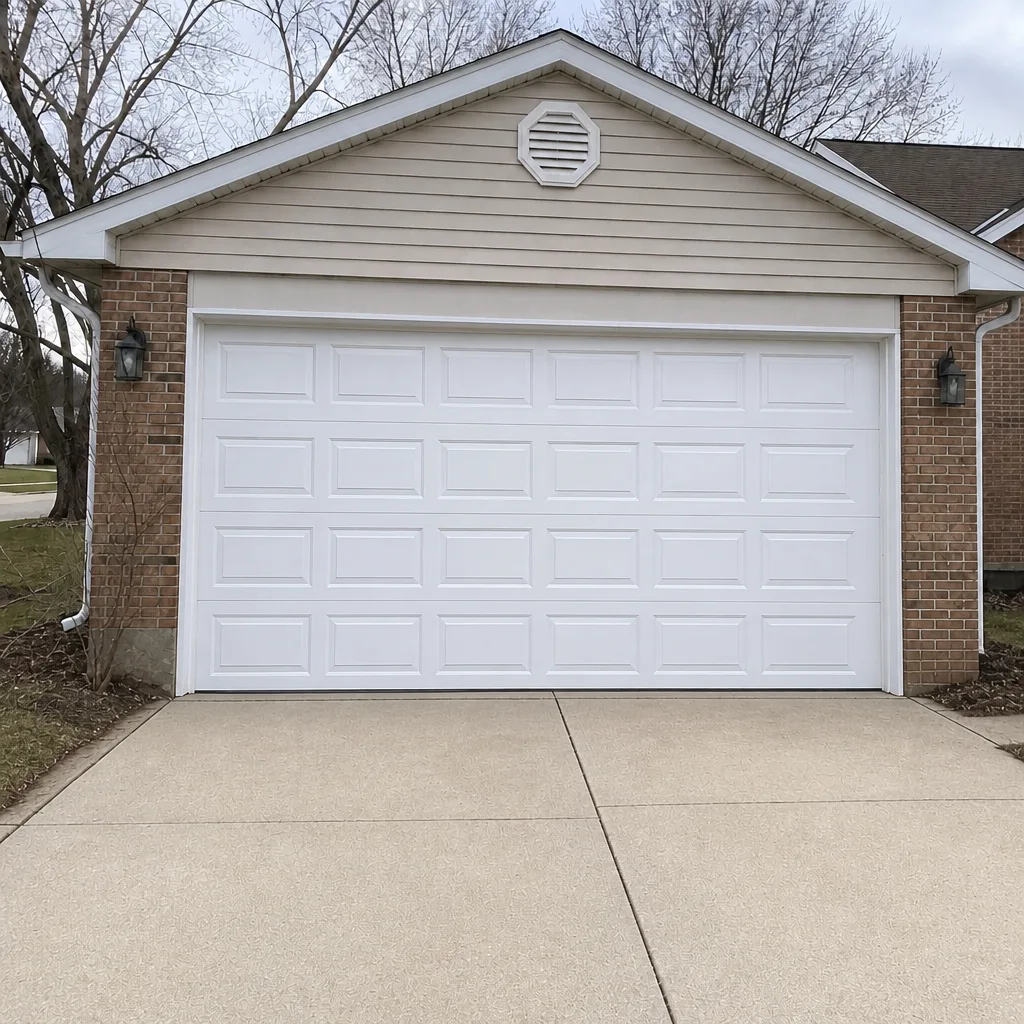
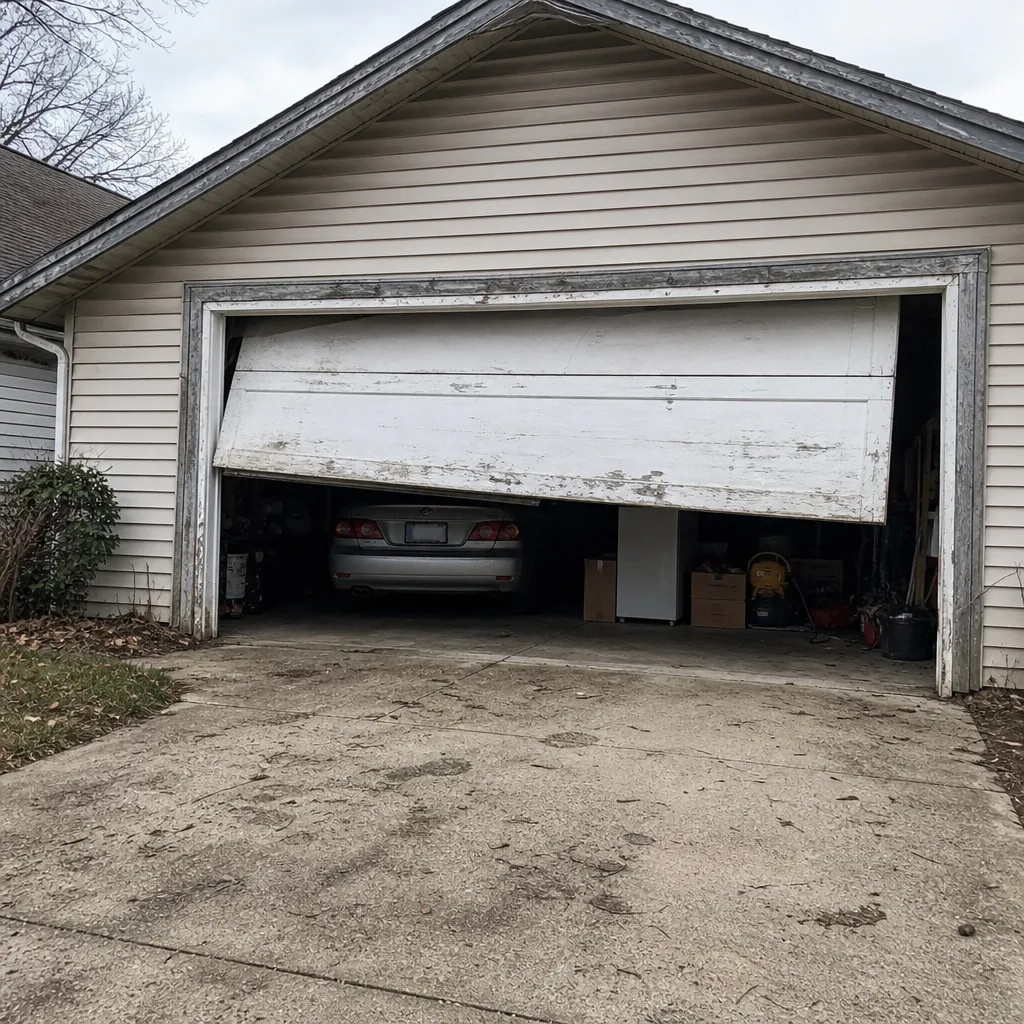
See the difference
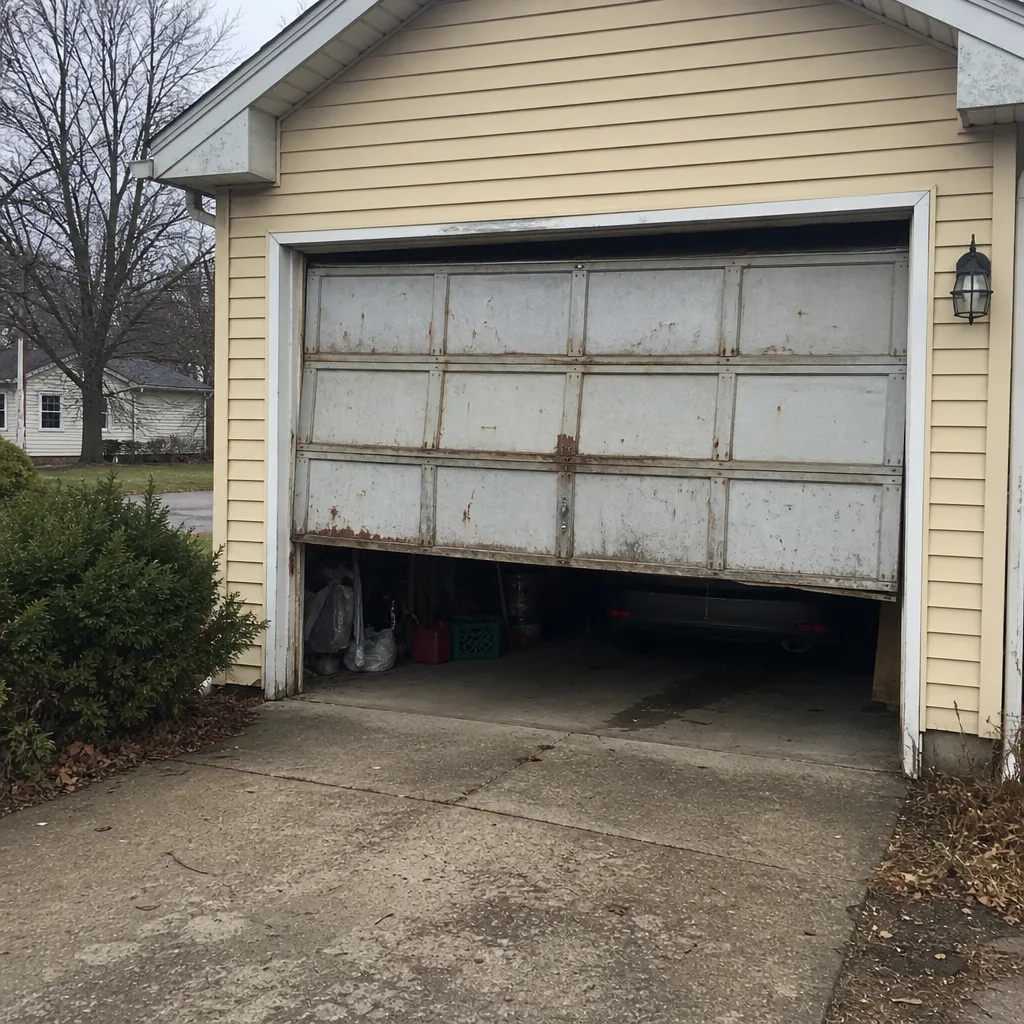 Before
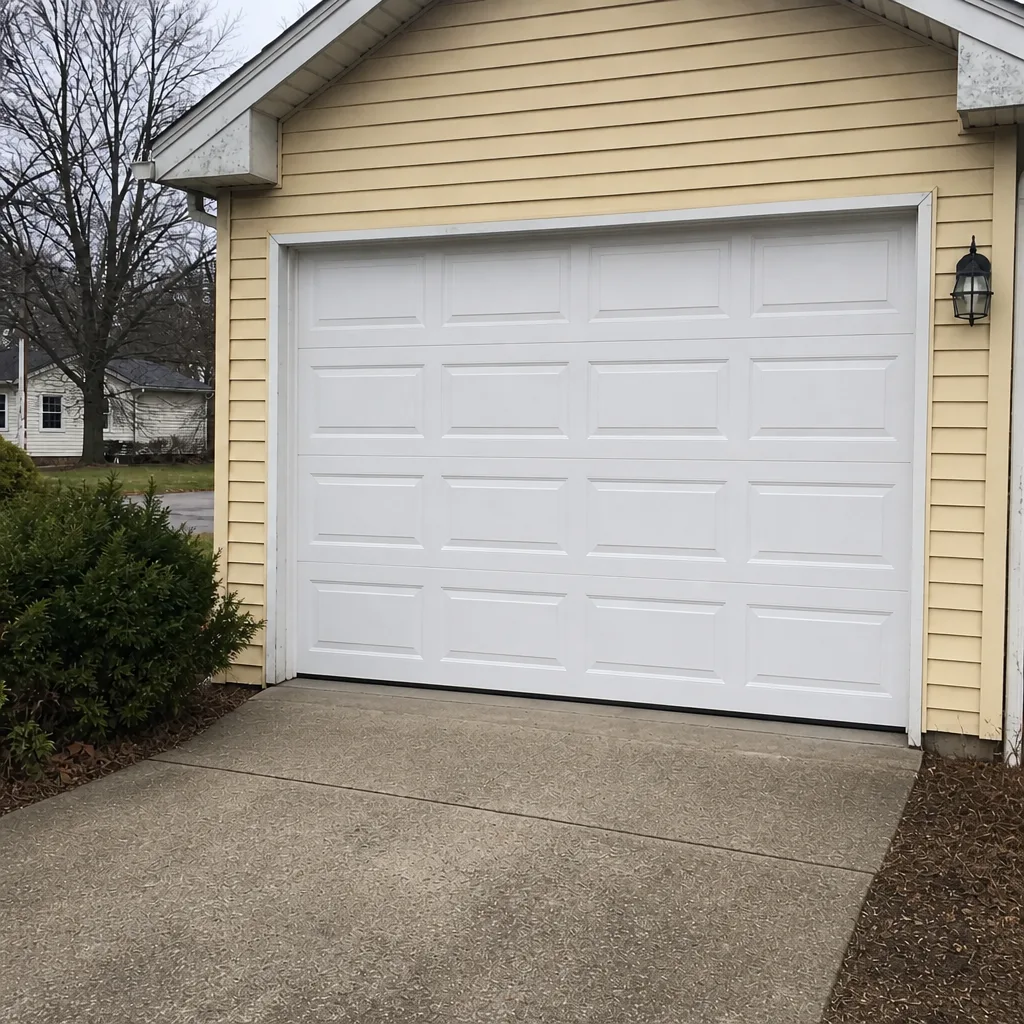 After
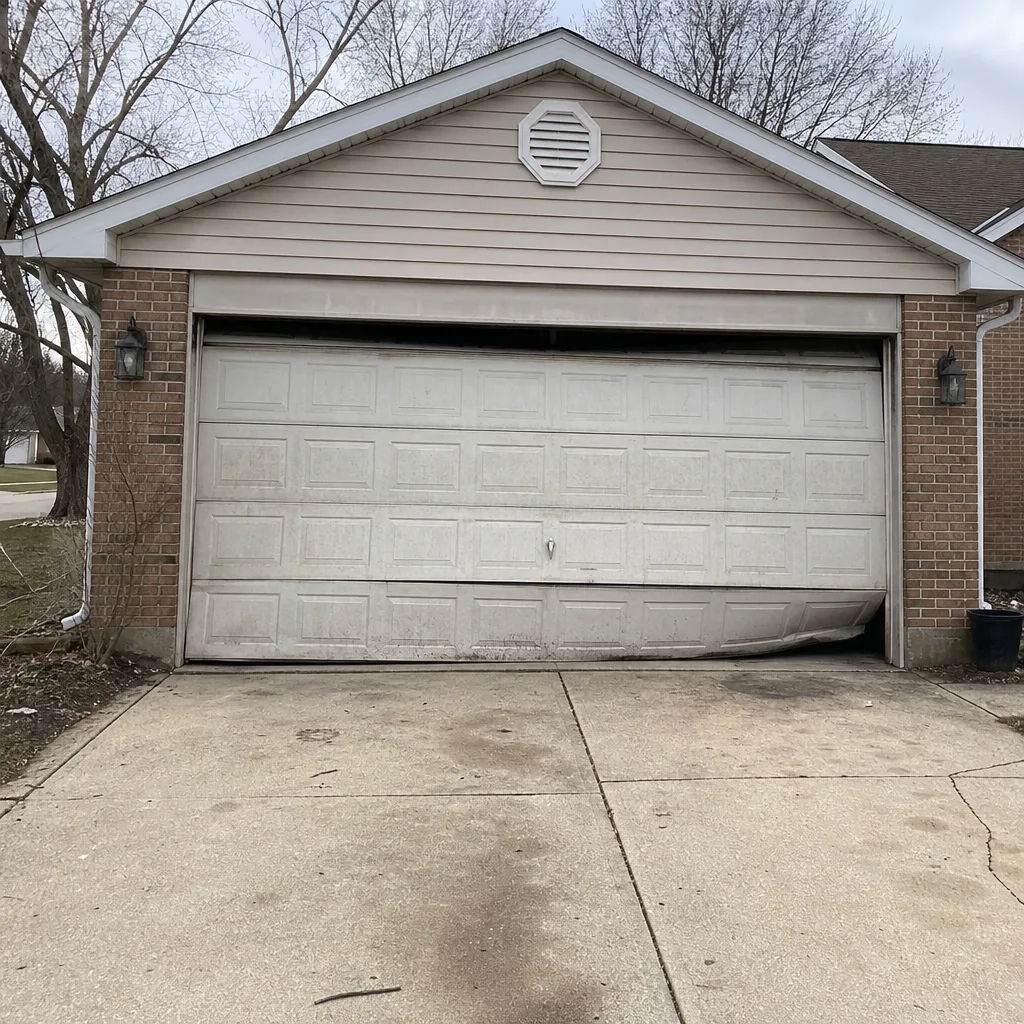 Before
 After
 Before
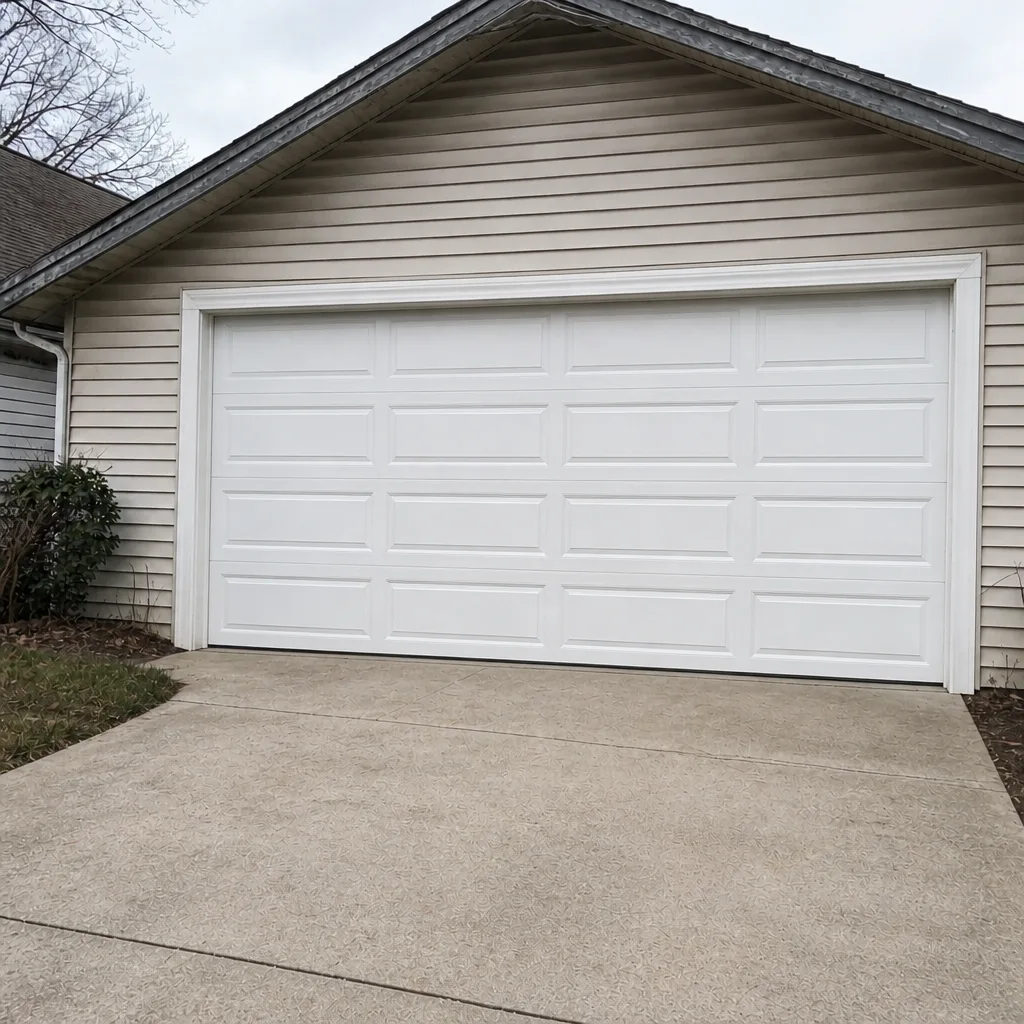 After
Frequently Asked Questions
A door that suddenly feels heavy when you lift it by hand, a loud pop when it opens, or a visible gap in the torsion spring coil. A heavy door is the classic early warning; the spring is losing tension and the door’s weight is shifting onto the opener. If you notice any of these, stop using the door and call a professional. Call (866) 926-2341 for an exact quote. Estimates are free.
Grinding itself isn’t usually dangerous, but it signals gear or roller wear that will eventually stop the door from opening. On a chain-drive opener, grinding often means the gear is wearing down. Left alone, the gear strips and the door stops. Schedule a repair this week and have it checked before it fails completely.
No. Torsion springs and cables are under high tension and can cause serious injury if handled without the right tools and training. A trained technician should handle all spring and cable work. If a spring has broken, stop using the door and call a professional today.
A single torsion spring repair typically falls in the $180 to $340 range, and a matched pair replaced together costs about twice that. The written estimate sets the final price, and any extra work is quoted and agreed before it starts. Call (866) 926-2341 for an exact quote. Estimates are free.
That pause is usually early opener gear wear, particularly on older LiftMaster or Craftsman openers. The gear is slipping slightly before it catches. Catch it now and it’s a small gear replacement; wait six months and it’s often a full opener replacement. Schedule a garage door opener repair this week and have it checked.
Twice a year is a good rhythm: once before winter and once after, when the door has taken the season’s wear. A spring check, roller check, and seal check are the priorities. A door that hesitates, reverses, or makes a new sound is worth an inspection between the seasonal ones. Call (866) 926-2341 to schedule.
The Bottom Line
Every major garage door failure sends a warning first, and the warning rarely looks like a failure. It sounds like a grind, a squeal, or a pop. It looks like a gap in a spring or a flattened roller. It feels like a door that hesitates before moving or hangs lower on one side. Reading those signs in your own Easton garage turns a large emergency call into a small scheduled repair. Sort what you find into stop-today or this-week, photograph it, note the brand and model, and call with the details. That combination is the difference between a five-minute diagnosis and a second visit. Whether the next step is garage door installation or a simple tune-up, starting with the warning signs is the whole point. When you’re ready, Easton Garage Door Repair Pros is here. Call (866) 926-2341 for a free estimate. We answer 24/7. Fast dispatch from 7am to 7pm, Sunday through Friday.
Written by the team at Easton Garage Door Repair Pros.