
Last updated November 21, 2026
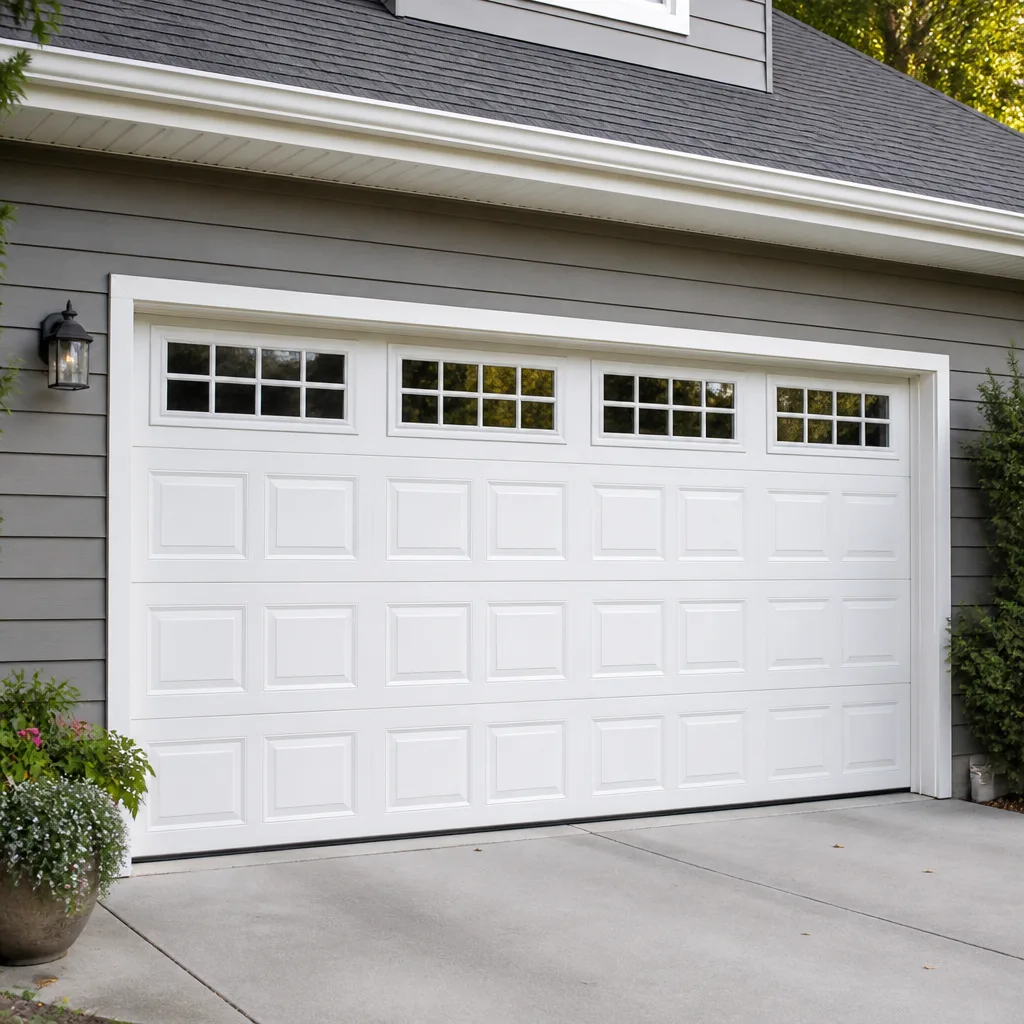 Raised-panel steel
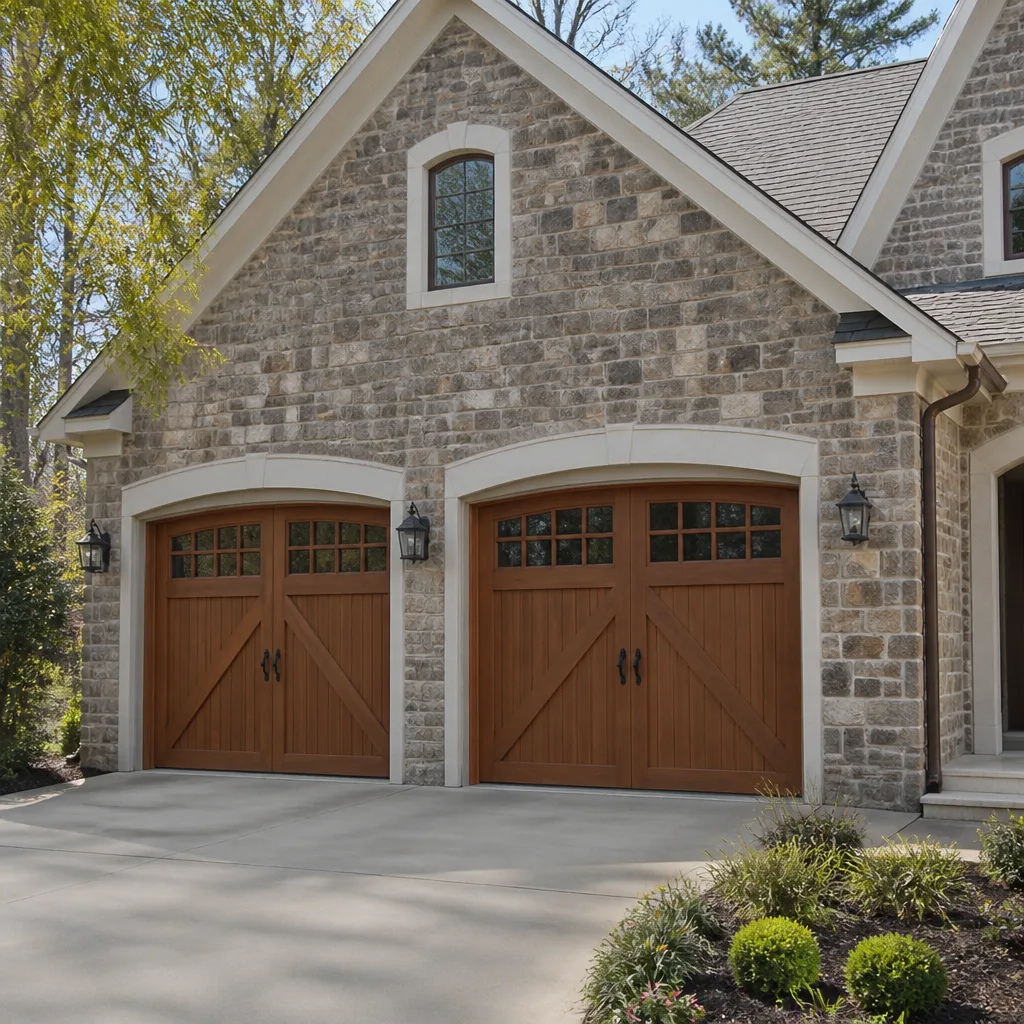 Carriage house
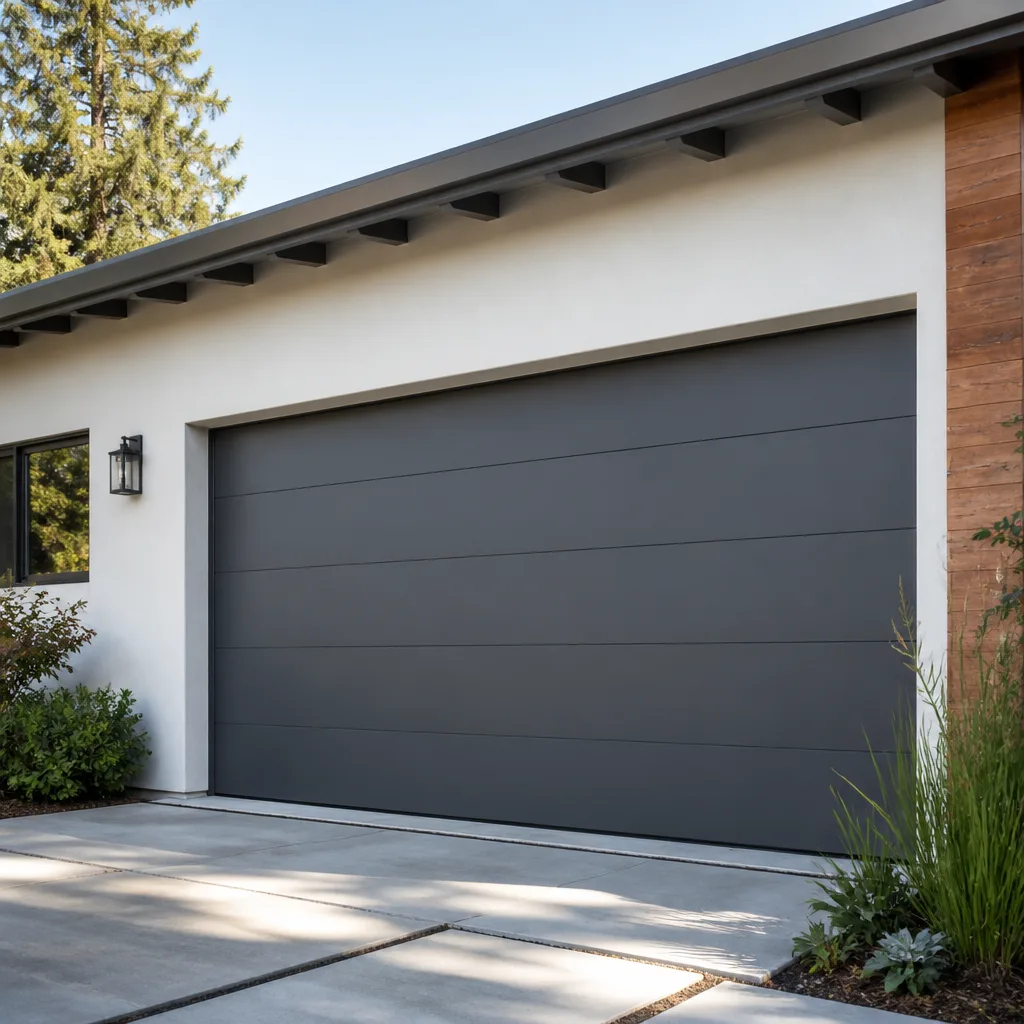 Modern flush
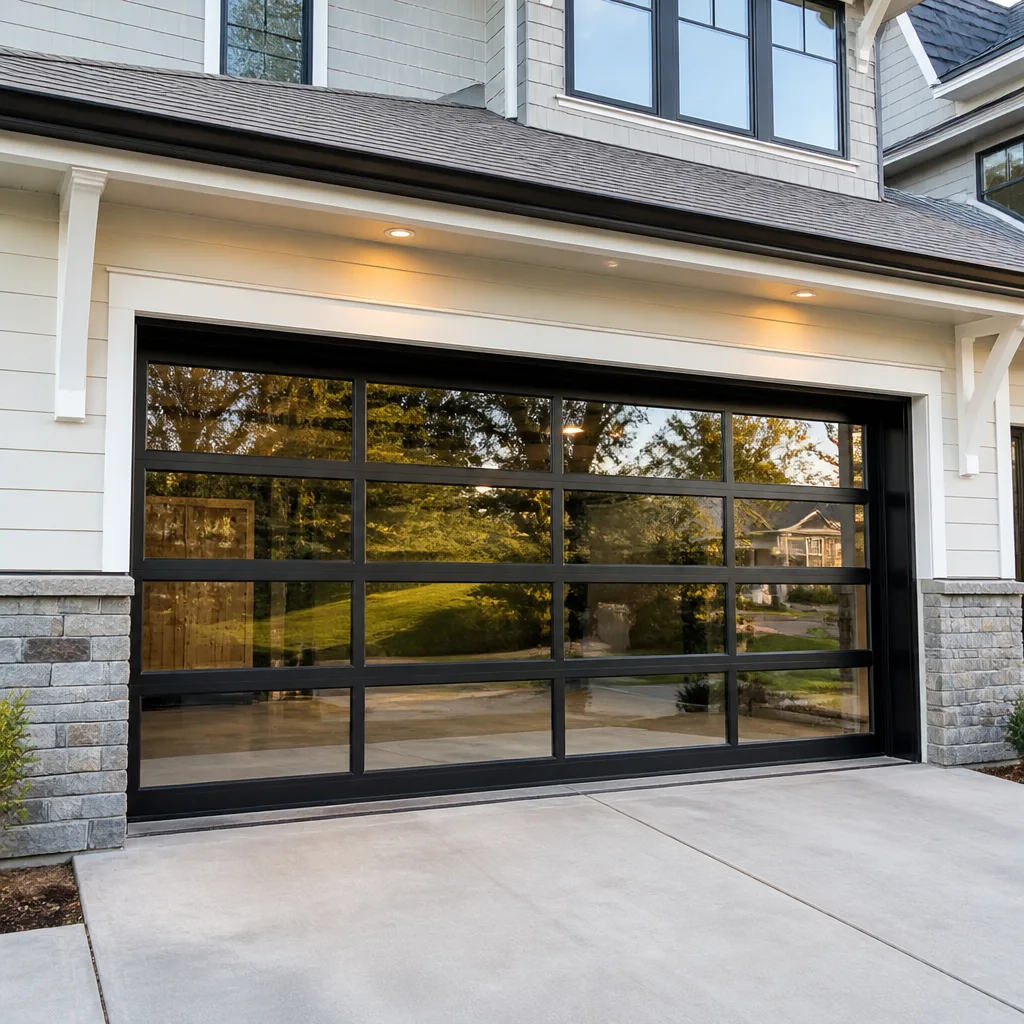 Full-view glass
 LiftMaster openers
 Chamberlain openers
Full 25-point door and opener safety check with every visit - springs, cables, rollers, tracks, and your LiftMaster or Chamberlain opener included
You get a price before we start. It does not change when the pro arrives.
Get your free estimateHow to Hire a Garage Door Contractor in Easton: A Step-by-Step Guide
Garage door work sits in a licensing gray zone in Ohio. There’s no state-issued “garage door contractor” license, which means the barrier to advertising as one is essentially zero. Any handyman with a truck, a ladder and a free afternoon can print a business card that says garage door repair, and nothing stops them. That’s the misconception worth clearing up first: the license you assume exists doesn’t, so the vetting is entirely on you. This guide gives you the exact questions to ask, the insurance you need to confirm, and the red flags buried in quotes, so you can tell a real specialist from someone who watched a video last week. We’ll walk through it for Easton specifically.
Quick Answer
To hire a garage door contractor in Easton, verify they carry general liability and workers’ compensation insurance, ask five diagnostic questions about your specific door, confirm they can actually source parts for your brand, and insist on an itemized written estimate before any work begins. Ohio doesn’t license garage door contractors at the state level, so insurance verification and technical questioning are your main filters. A qualified specialist answers system-specific questions without hesitation; a generalist stalls, guesses, or changes the subject.
Styles & brands we work with
- Raised-panel steel
- Carriage house
- Modern flush
- Full-view glass
- LiftMaster openers
- Chamberlain openers
Table of Contents
- Why Garage Door Hiring Is Different in Ohio
- The Insurance Check That Takes Two Minutes
- Five Questions That Separate Specialists from Generalists
- Why “We Work on All Brands” Means Something Specific
- Reading a Quote: What Should Be Itemized
- How to Read Reviews for Garage Door Work
- When to Stop and Call a Professional
- Common Mistakes to Avoid
Why Garage Door Hiring Is Different in Ohio
Ohio doesn’t issue a garage door contractor license. There’s no state exam, no continuing education requirement, no official registry you can check before booking. That’s not a loophole someone forgot to close; it’s just the way the state structures contractor oversight, and it puts the burden of verification on the homeowner.
What this means practically: the word “contractor” on a business card or website tells you almost nothing. Anyone can use it. The genuine signals are narrower. Insurance. Parts access. The ability to answer technical questions about the specific system hanging over your driveway. And in Easton, those signals matter as much as anywhere, because the housing stock here is a mix. Some neighborhoods have doors installed a decade or two ago with openers that are still running; others have newer builds with more recent automation. A contractor who works across those systems knows the difference. A generalist treats every door like the last one he touched.
There’s another layer worth understanding. Garage doors are the largest moving object attached to a house, and the torsion spring that counterbalances them stores serious energy. A trained technician treats spring work as its own discipline. Someone who doesn’t may still take the job, but the risk profile is different. When you’re hiring in Easton, you’re not just buying a repair. You’re buying a judgment call about what’s safe to touch and what isn’t.
This is why the questions in the next sections focus on technical command rather than friendliness or price. A specialist can be personable or blunt, cheap or expensive. What separates them is whether they actually understand your door. That’s testable. And you can test it before you book.
The Insurance Check That Takes Two Minutes
A garage door contractor working on your property should carry two types of insurance: general liability and workers’ compensation. General liability covers damage to your property, your door, your car, your house, if something goes wrong. Workers’ compensation covers injury to the technician while they’re on your property. Both protect you, and both are verifiable in under two minutes if the company keeps its paperwork accessible.
Here’s how to check it without making it awkward:
- Ask for a certificate of insurance. Any insured contractor can produce one. It’s a one-page document from their insurance carrier stating coverage type, policy limits, and effective dates. Ask them to email it or text a photo.
- Confirm the certificate is current. Look at the effective dates. A certificate that expired six months ago doesn’t help you. Ask for an updated one if the dates are stale.
- Check that the name matches. The business name on the certificate should match the name on the quote, the website, and the card. Mismatches happen when a company borrows someone else’s coverage or operates under a different entity.
- Ask specifically about workers’ compensation. General liability alone doesn’t cover an injured technician. If a worker gets hurt in your garage, you don’t want to be the one absorbing that cost.
If a contractor hesitates, deflects, or says “we’re fully covered” without producing a certificate, treat that as a real signal. Insurance is standard business practice, not a special request. Our network connects you with local pros who are licensed and insured as their state requires, and asking to see the certificate is always fair.
One more note: general liability limits matter less than the presence of the policy for a typical repair. You’re not running a commercial construction project. But you do want confirmation that the policy exists and is current. That two-minute check is the single highest-value step in this whole process, and it costs nothing. If you’d rather have that vetted for you up front, Easton Garage Door Repair Pros is a starting point.
Five Questions That Separate Specialists from Generalists
This is where you find out whether the person on the phone actually knows garage doors. Ask these five questions before you book. The answers, not the tone, tell you what you need to know.
1. “What type of spring system does my door use, and how would you confirm it?”
A specialist will ask you follow-up questions: the door’s width, its weight, whether there’s a horizontal bar above the door (torsion) or springs running along the sides (extension). A generalist might just say “we’ll figure it out when we get there.” That’s not automatically disqualifying, but the good answer shows a mental model of the system before arrival.
2. “What brand is my opener, and what do you know about it?”
If you know your opener is a LiftMaster or a Genie, and the contractor’s response is a blank “we can work on anything,” press harder. Ask how the safety reversal system is tested on that model, or how the force limits are set. Brand fluency isn’t marketing polish; it’s diagnostic speed. A tech who’s worked on a specific system will describe it like a familiar car.
3. “How do you test the balance of the door?”
The correct answer involves disconnecting the opener and manually lifting the door to about waist height, then checking whether it stays put or falls. A door that doesn’t hold is out of balance, and that’s usually a spring or cable problem. A contractor who doesn’t mention this test isn’t running through the basics.
4. “If a cable snaps or a spring breaks mid-repair, how do you handle it?”
You’re listening for a plan. A specialist will describe shutting the door, securing the area, and continuing once the system is stable. A hesitant answer here is a red flag, because high-tension components are exactly where improvisation gets people hurt.
5. “Will the price change once you’re on-site?”
The honest answer is “not without your approval, and any change is written down before we do it.” A contractor who says “it depends” without offering to quote in writing before starting is one you should walk away from. The written estimate is the price, and it’s agreed before any work begins. For more on how quotes are structured, see our garage door repair page.
What weak answers sound like: “we’ll see when we get there,” “all doors are basically the same,” “the price is the price, don’t worry about it,” or a long silence followed by a question about the make of your car. You’re listening for specifics.
Why “We Work on All Brands” Means Something Specific
Almost every garage door contractor says “we work on all brands.” Most mean it the way a general handyman means it: they’ll show up, look at your door, and try. That’s not the same as actually knowing the system.
Brand fluency shows up in three places. First, parts access. A company that regularly works on Clopay, Amarr, Wayne Dalton, and Craftsman doors has a supply chain for those parts. A generalist orders from whoever’s cheapest on the internet and waits. Second, training. Technicians who work on one brand family know its quirks: how a specific opener’s safety sensors behave, what a particular spring configuration looks like, what the common failure points are. Third, diagnostic speed. They don’t waste your time eliminating the obvious.
To probe this without being interrogative, ask questions specific to your door:
- “Do you keep opener remotes and safety sensors in stock for my model?” If they can’t tell you, they’re not really brand-fluent.
- “If my opener’s logic board fails, do you have access to the replacement, and roughly how long does it take to get?”
- “Have you worked on the brand of door I have before?” Listen for whether they name the brand and describe it. Vague assurances are different from actual familiarity.
- “What’s the most common failure on this make?”
We work across LiftMaster, Chamberlain, Genie, Clopay, Amarr, Wayne Dalton, Craftsman, and Raynor systems, which means a technician can usually tell you what’s wrong before opening the door. That’s the practical value of brand fluency: it reduces callbacks and second visits. If the contractor you’re vetting can’t name any of those systems, or treats brand as interchangeable, that’s worth factoring into your decision.
The other side of this: even a brand-fluent contractor can only do so much if the job requires a part they don’t have. That’s why “parts on hand” is a real advantage. It turns a two-week wait into a single visit. When you’re evaluating options for garage door installation, ask who supplies the hardware.
Reading a Quote: What Should Be Itemized
A written estimate should itemize the work. That means line by line: parts, labor, and the specific components being replaced or installed. A flat-rate quote with a single number and the word “repair” is not a quote. It’s a guess with a price tag attached.
Here’s what a reasonably itemized estimate includes:
- Part name and quantity. “Torsion spring, matched pair” is better than “springs.” “Opener logic board, model number” is better than “control board.”
- Labor. A line item for the work, distinct from the parts, so you can see what you’re paying for and why.
- Any additional parts the tech might need. Cables, rollers, hinges, brackets. If a tech might encounter something during the repair, the estimate should flag it.
- The total, with a note that it’s the agreed price. The written estimate sets the final price, and nothing should change without your written approval.
Flat-rate pricing is where line items get hidden. A single number sounds simple, but you can’t tell whether you’re paying for a $40 spring or a $200 one. If a quote comes as one number, ask for the breakdown. A contractor who refuses, or who gets defensive, is telling you something.
On pricing specifically for Easton, typical costs run in similar ranges to the surrounding region, but the written estimate is the only number that matters for your job. Never accept a quote that changes once the tech is on-site unless the change is documented and you’ve agreed to it. That’s not a special favor; it’s the baseline. For a fuller picture of how repair costs break down, visit our garage door opener repair page.
One thing to watch: quotes that lump “diagnostic,” “trip,” or “service call” into the total without explaining what they cover. The estimate should be free. The price is set per job by the written estimate. Anything else deserves a question.
How to Read Reviews for Garage Door Work
Generic positive reviews (“great service, friendly, fast”) tell you almost nothing about technical competence. They tell you the interaction was pleasant. That matters less than whether the tech fixed the door correctly. Here’s how to read reviews specifically for garage door work:
- Look for the word “spring.” Spring repair is the safety-critical, technically demanding job. Reviews that mention it being done correctly, or that describe a tech explaining the tension and the safety steps, signal real expertise.
- Look for brand mentions. A reviewer who says “they knew my LiftMaster opener” or “they had the right part for my Clopay door” is telling you something about parts access and training. That’s more useful than star ratings.
- Look for descriptions of the quote process. Reviews that mention a written estimate, no surprise charges, or an itemized bill are gold. Those are the reviews where the customer actually understood what they were paying for.
- Look for descriptions of what went wrong before. “The first company couldn’t figure it out, these guys did” is a specific, useful data point. So is “they fixed what another company broke.”
- Watch for patterns in negative reviews. One bad review is noise. Repeated mentions of “price changed on-site,” “didn’t return calls,” or “door was worse after” is a signal worth respecting.
Also check whether the review describes a real garage door scenario or reads like it was written for a generic home service. Real reviews mention specific doors, specific problems, specific outcomes. Generic reviews often don’t.
If you’re hiring in Easton specifically, look for reviews that mention the neighborhood or the type of door in the local housing stock. That’s a sign the reviewer is a real neighbor and the contractor is a real local presence. You can also ask the contractor directly: “Which neighborhoods around here do you work in most?” The answer tells you whether they’re actually local or just listed Easton as a service area on a map.
When to Stop and Call a Professional
Some garage door problems are safe to inspect yourself. A door that won’t open, a remote that’s not working, a grinding noise, a sensor light that won’t come on. You can check these carefully without touching anything under tension. Others are not. High-tension springs and cables store enough energy to cause serious injury, and this is where DIY goes wrong most often.
Stop and call a professional if any of the following apply:
- The spring is broken. If you see a gap in the torsion spring above the door or a snapped extension spring on the side, don’t touch it. This is the single most dangerous component on the system. Call a trained technician.
- A cable is loose or detached. Cables are under tension too. A door with a dangling or frayed cable is a hazard that requires a trained hand and the right tools.
- The door is crooked, stuck, or dropping fast. An unbalanced door can fall without warning. Stop using the opener and call. A professional can secure it before diagnosing.
- The opener is smoking, buzzing loudly, or tripping the breaker. That’s an electrical issue. Don’t keep resetting the breaker. Don’t open the opener housing.
- The door is a commercial or unusually heavy model. These require specialized equipment and training. Don’t guess.
In Easton, our local pros handle spring repair as a standard service, not a sideline. If you’re not sure whether your situation is urgent, call and describe it. Easton Garage Door Repair Pros offers free estimates in Easton. Call (866) 926-2341. We answer 24/7. Fast dispatch from 7am to 7pm, Sunday through Friday.
Common Mistakes to Avoid
- Booking the cheapest quote. A single low number often means the tech hasn’t priced the full job. Ask for an itemized estimate and compare it to another before deciding. A real bargain holds up to a second look.
- Skipping the insurance check. Ohio doesn’t require a garage door license, so insurance is one of your few objective filters. Always ask for the certificate before booking, even if the company seems trustworthy.
- Accepting “we work on all brands” without follow-up. That phrase is nearly universal. Ask which brands they stock parts for and which specific systems the tech has worked on. The answer tells you whether it’s true.
- Ignoring the itemization on the quote. A flat price hides which parts are used and why the cost is what it is. Ask for the parts and labor breakdown, and don’t sign a quote you can’t read.
- Letting a tech start without a written price. Once the work is underway, your negotiating position changes. Confirm the estimate in writing, and confirm that any changes require your approval. The price is agreed before any work starts.
- Choosing a company by star rating alone. Read for the details: springs, brands, quotes, outcomes. Generic praise is less useful than a specific account of a job that went right or wrong.
- Assuming “local” means “qualified.” Listing Easton as a service area doesn’t prove the tech is trained. Ask the technical questions and check the insurance. Location is not a substitute for competence.
See the difference
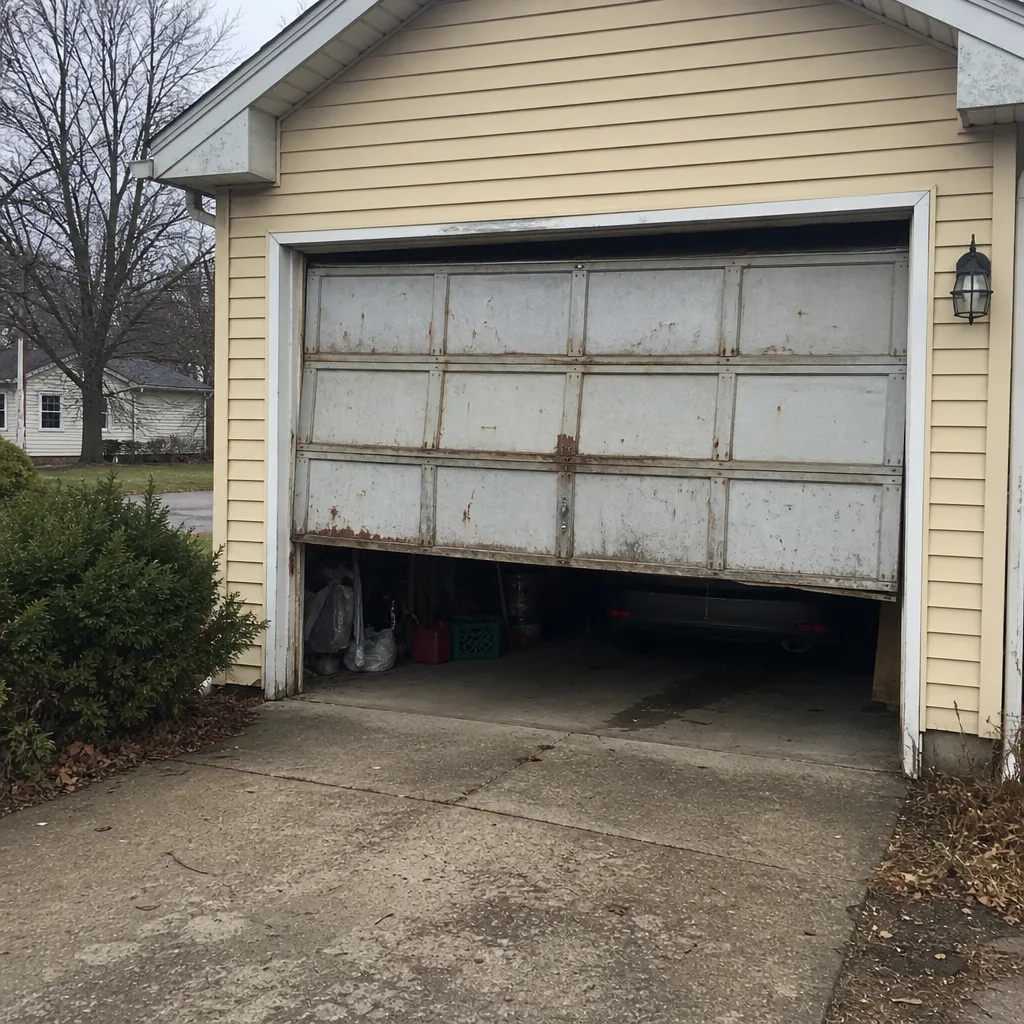 Before
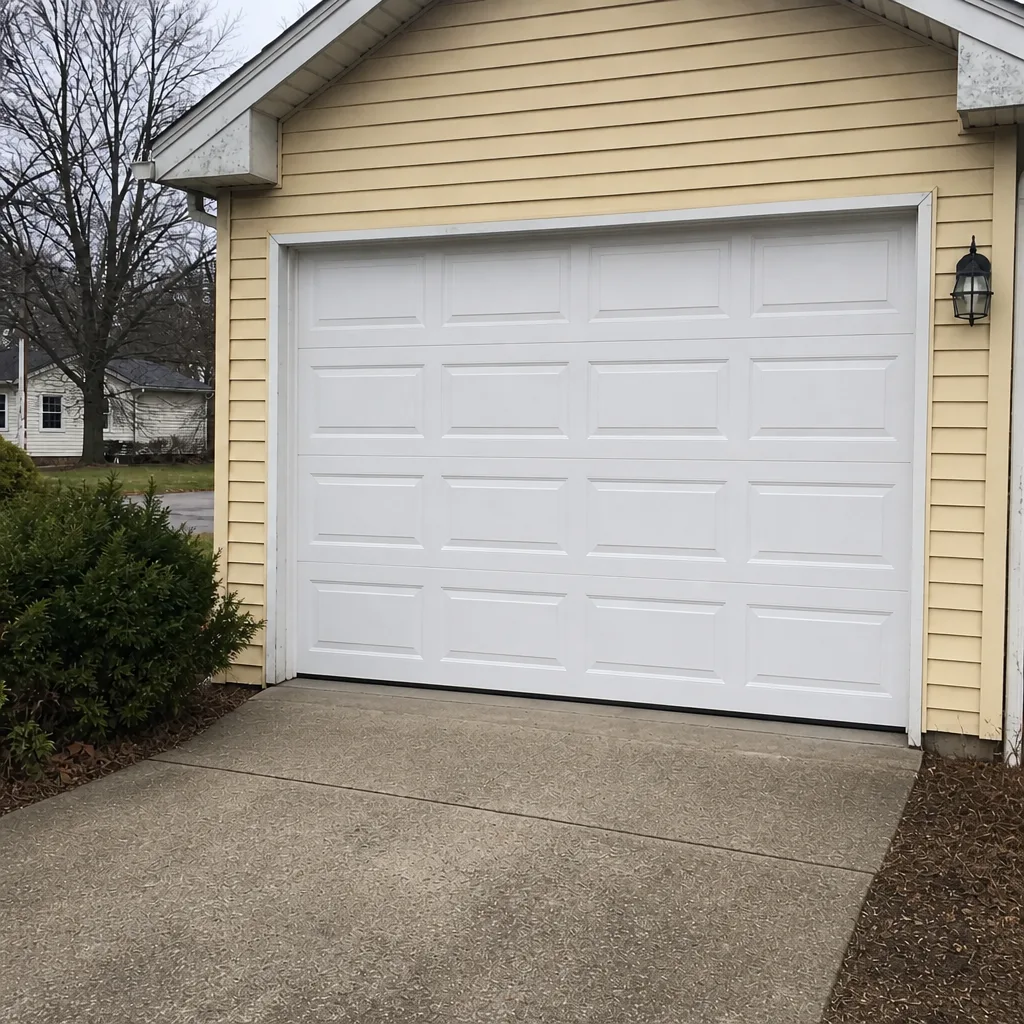 After
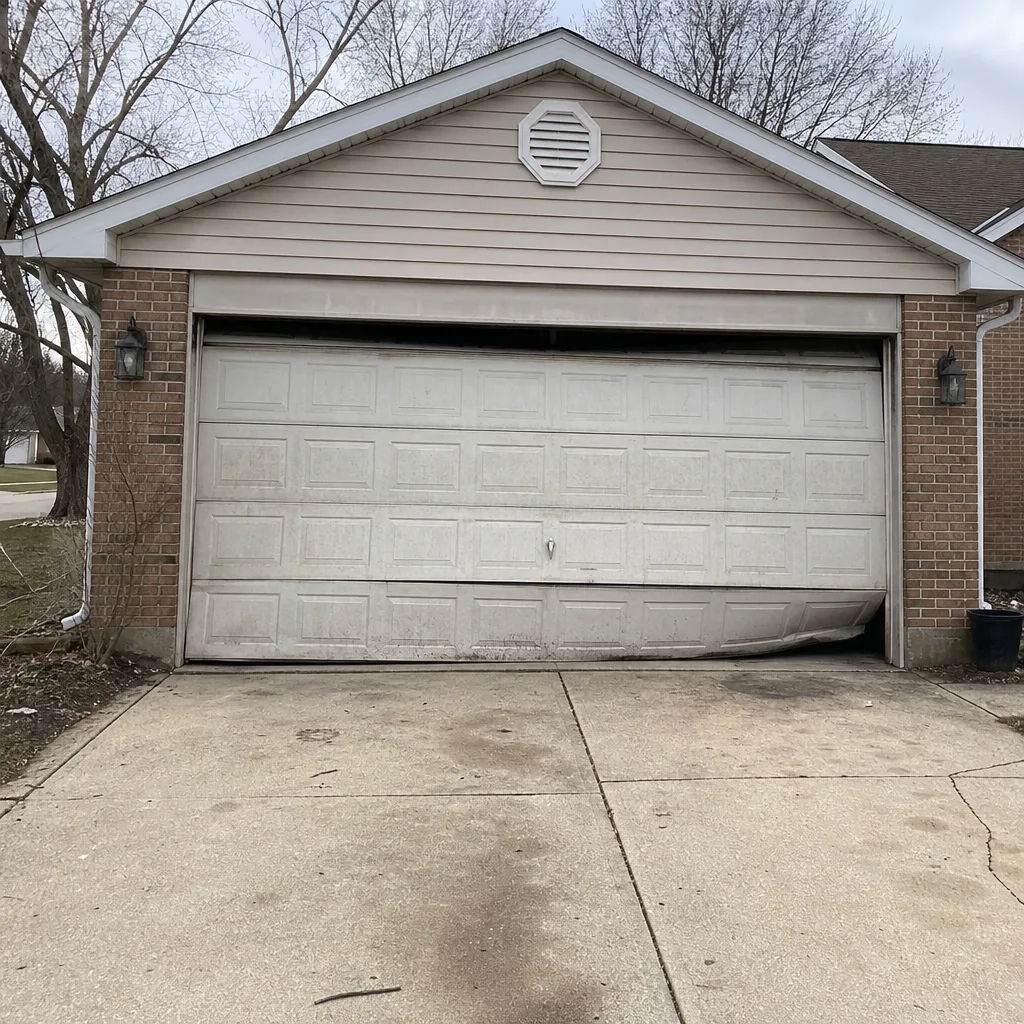 Before
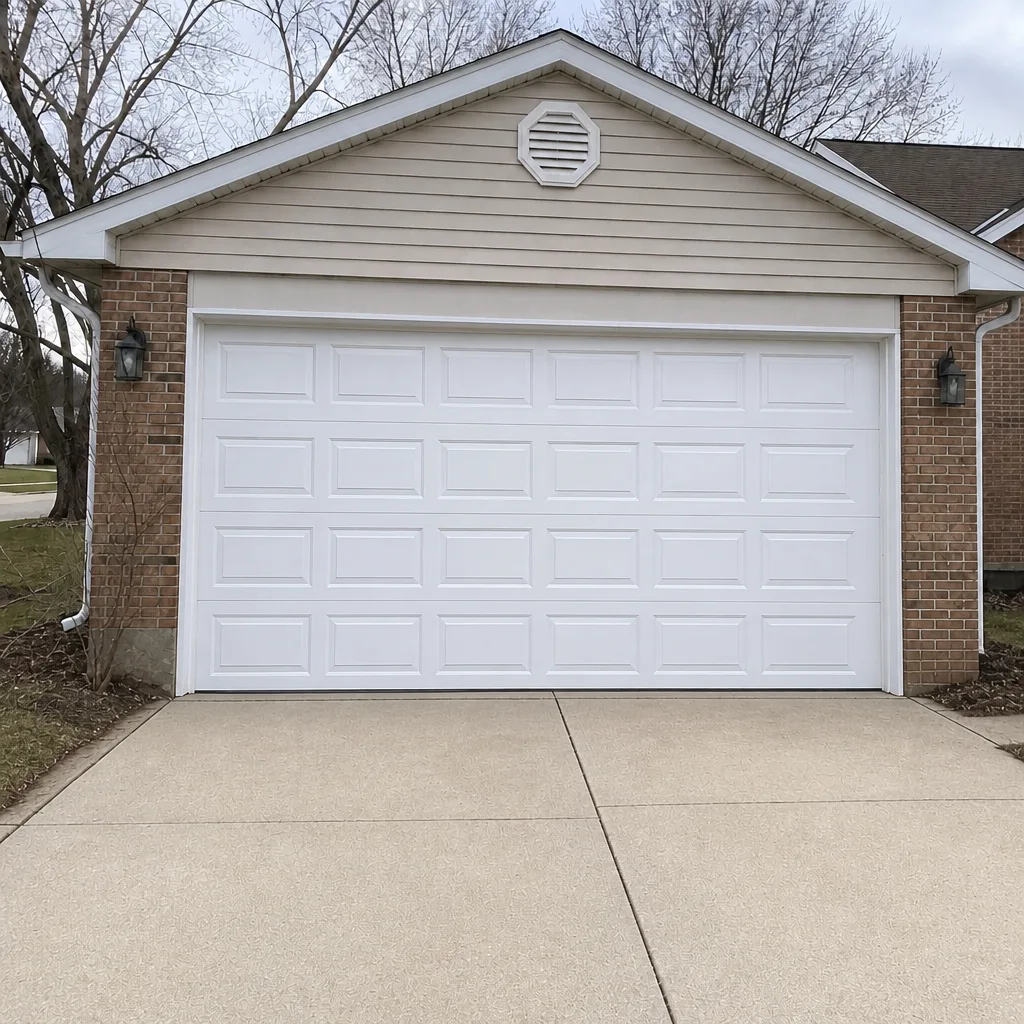 After
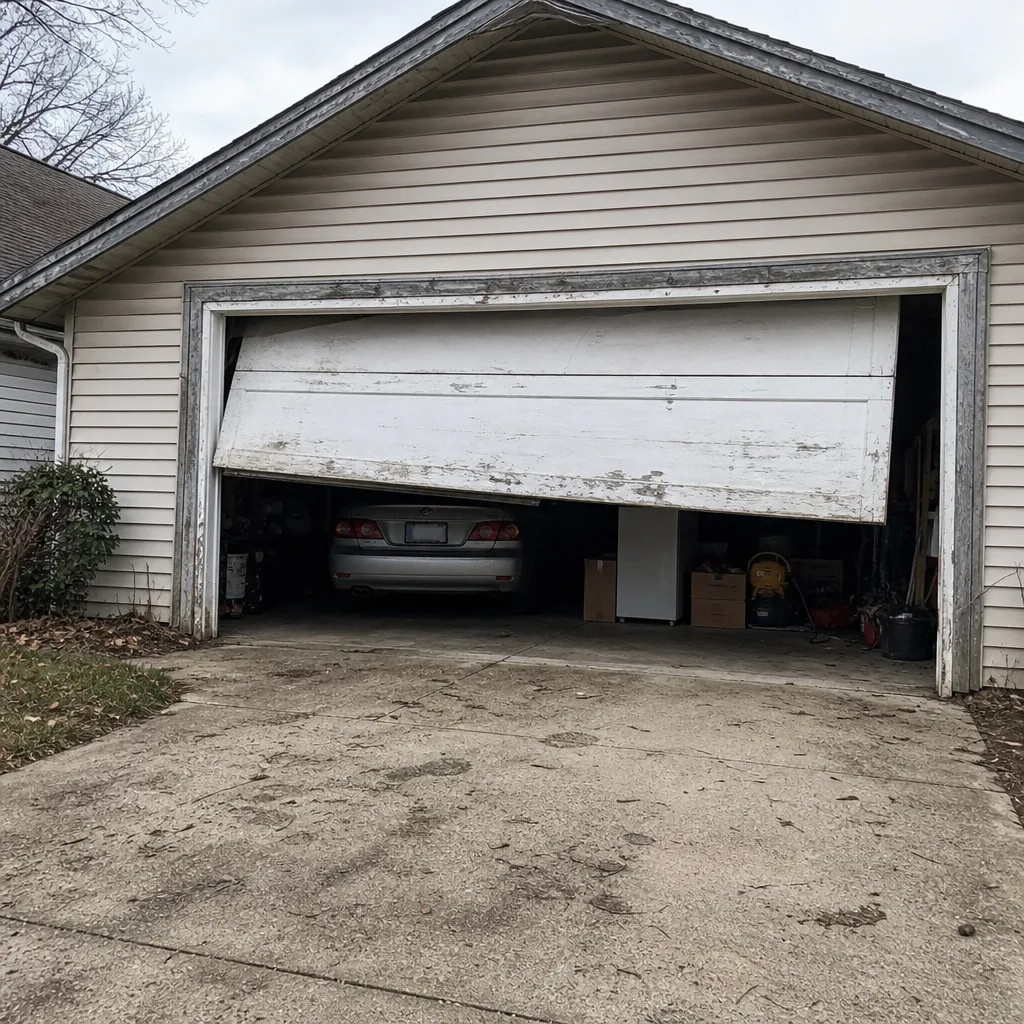 Before
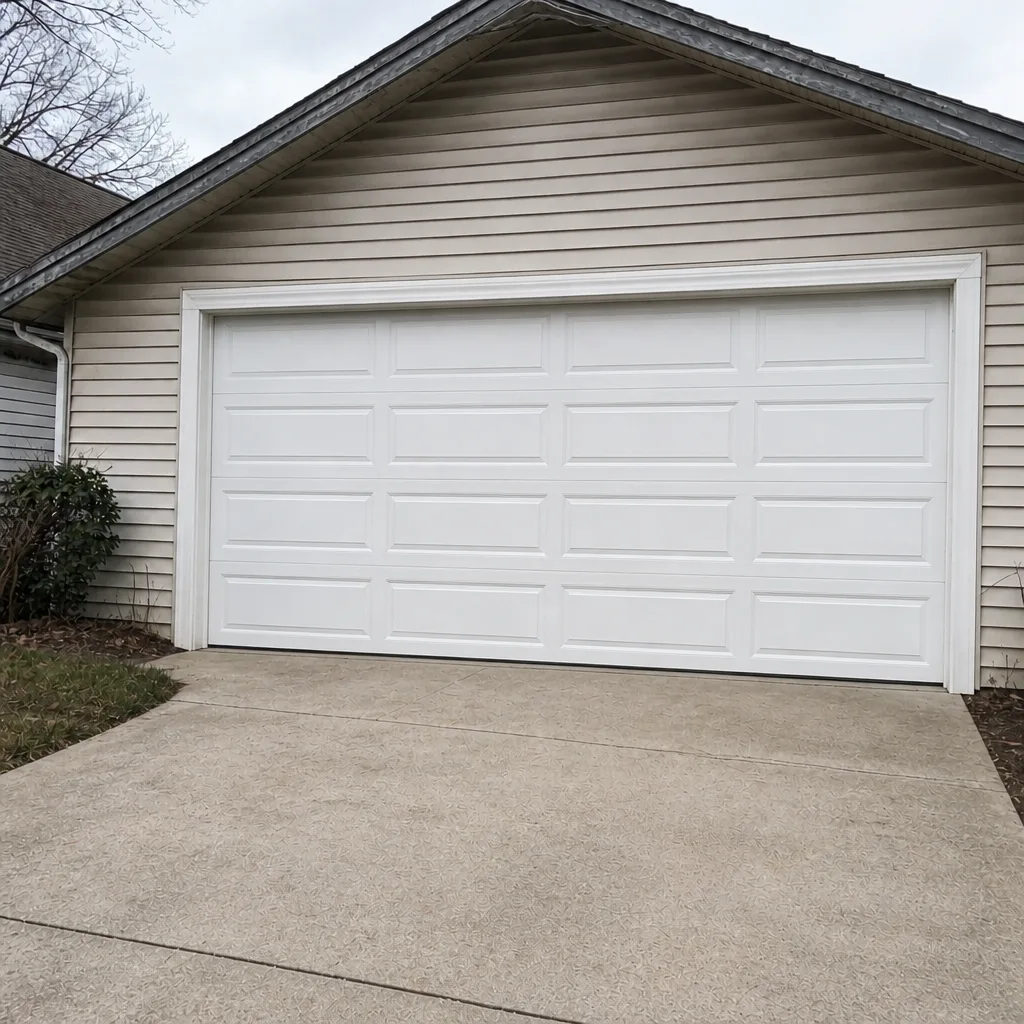 After
When to Call a Professional
Call a professional when the problem involves high-tension components, when the door is unbalanced or falling, when the opener shows electrical symptoms, or when you’re not sure what’s wrong and don’t want to guess. A broken spring, a loose cable, a door that won’t stay up, an opener that trips the breaker. These are the situations where guessing gets expensive or dangerous. For routine issues, a good contractor can often diagnose and fix in a single visit, which is the advantage of hiring a specialist rather than a general handyman. Easton Garage Door Repair Pros offers free estimates in Easton, and our technicians have up to 8 years of experience across the major door and opener systems. Call (866) 926-2341. We answer 24/7. Fast dispatch from 7am to 7pm, Sunday through Friday.
Frequently Asked Questions
No. Ohio doesn’t issue a state-level garage door contractor license, which means there’s no official registry to check and no state exam to pass before advertising as one. Because the license filter doesn’t exist, insurance verification and technical questioning are your main ways to vet a contractor. Ask for a certificate of insurance and ask the five diagnostic questions in this guide.
Ask how they’d confirm your spring type and balance the door, what they know about your specific opener brand, how they test the safety reversal system, how they handle a snapped cable mid-repair, and whether the price will change on-site. The answers tell you whether the tech has a working mental model of the system or is just showing up to try. Easton Garage Door Repair Pros answers these questions directly. Call (866) 926-2341 for a free estimate.
Ask for a certificate of insurance and check that it’s current, that the business name matches the quote and website, and that it includes both general liability and workers’ compensation. The whole check takes two minutes. If a contractor can’t produce a certificate or deflects, treat that as a serious red flag. Our network connects you with local pros who are insured as their state requires.
A flat single-number quote with no itemization is the most common red flag, because you can’t see which parts are being used or what the price covers. Another is a quote that changes once the tech is on-site, or a “diagnostic fee” that appears without explanation. Ask for a written estimate that lists parts, labor, and the total, and confirm that the price is agreed before any work starts. Call (866) 926-2341 for an itemized estimate.
Brand fluency means faster diagnosis, better parts access, and fewer callbacks. A technician who regularly works on Clopay, Amarr, Wayne Dalton, Craftsman and similar systems already knows the failure points and has a supply chain for the parts. A generalist often doesn’t, which leads to second visits and longer waits. Ask which brands the tech stocks parts for and which they’ve worked on before.
You can often handle cosmetic parts yourself, but the work that matters, like spring repair, cable replacement, and opener troubleshooting, involves high-tension components and electrical systems that require training and the right tools. A door under tension can cause serious injury if handled incorrectly. Call a professional for anything beyond a battery swap, a visual inspection, or a remote reset. Call (866) 926-2341. We answer 24/7. Fast dispatch from 7am to 7pm, Sunday through Friday.
The Bottom Line
Hiring a garage door contractor in Easton comes down to verification, not charm or price. Ohio doesn’t license garage door work at the state level, so you’re responsible for checking insurance and asking technical questions. The five questions in this guide are your fastest filter: they surface whether the person on the phone actually knows the system. Add an itemized written quote, a quick insurance check, and careful reading of reviews for spring and brand mentions, and you’ll be in a much stronger position. The cheapest quote is rarely the cheapest outcome. The right hire is the one you can verify before you book. For a free estimate, contact us.
Call (866) 926-2341 for a free estimate. We answer 24/7. Fast dispatch from 7am to 7pm, Sunday through Friday. Whether you need a spring repaired, an opener diagnosed, or a new door installed, one call covers it. The local pros we connect you with are licensed and insured as their state requires, and the written estimate sets the price before any work starts.
Written by the team at Easton Garage Door Repair Pros.