
Last updated November 21, 2026
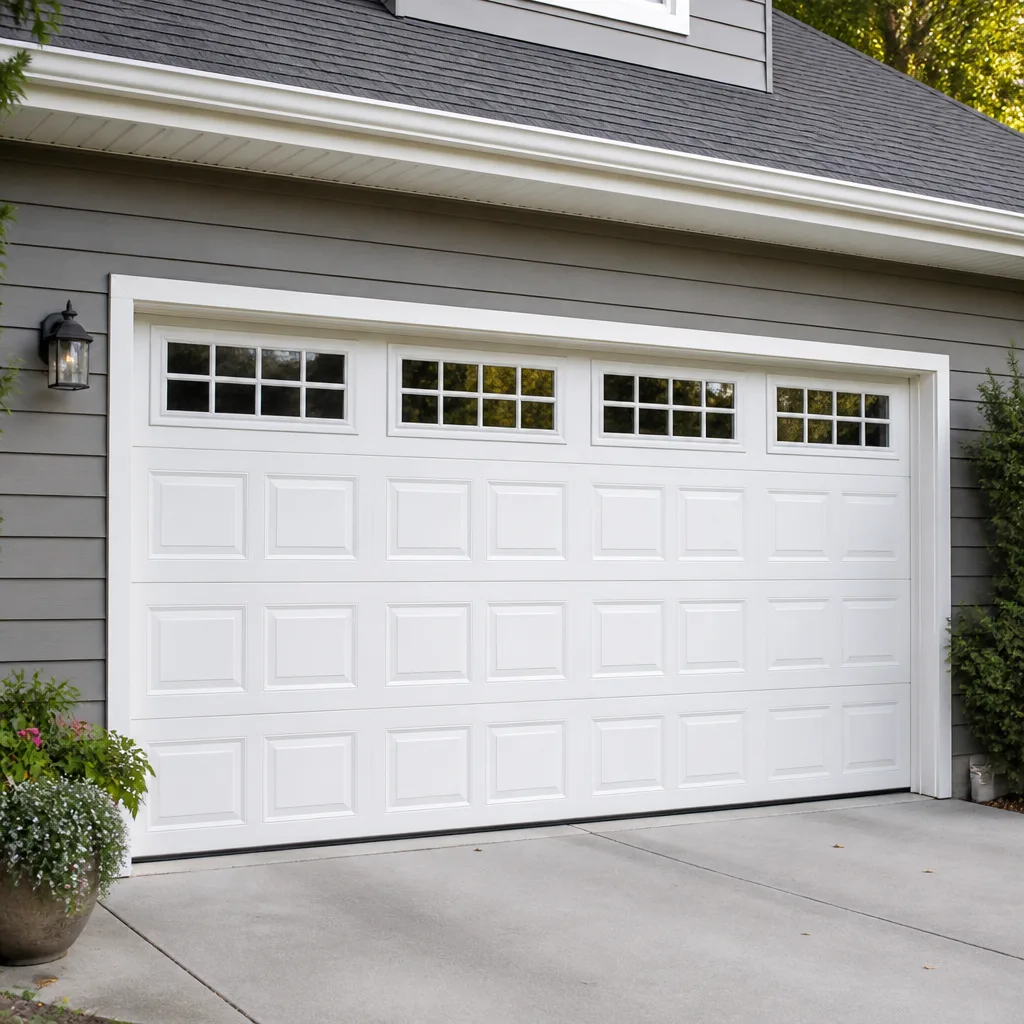 Raised-panel steel
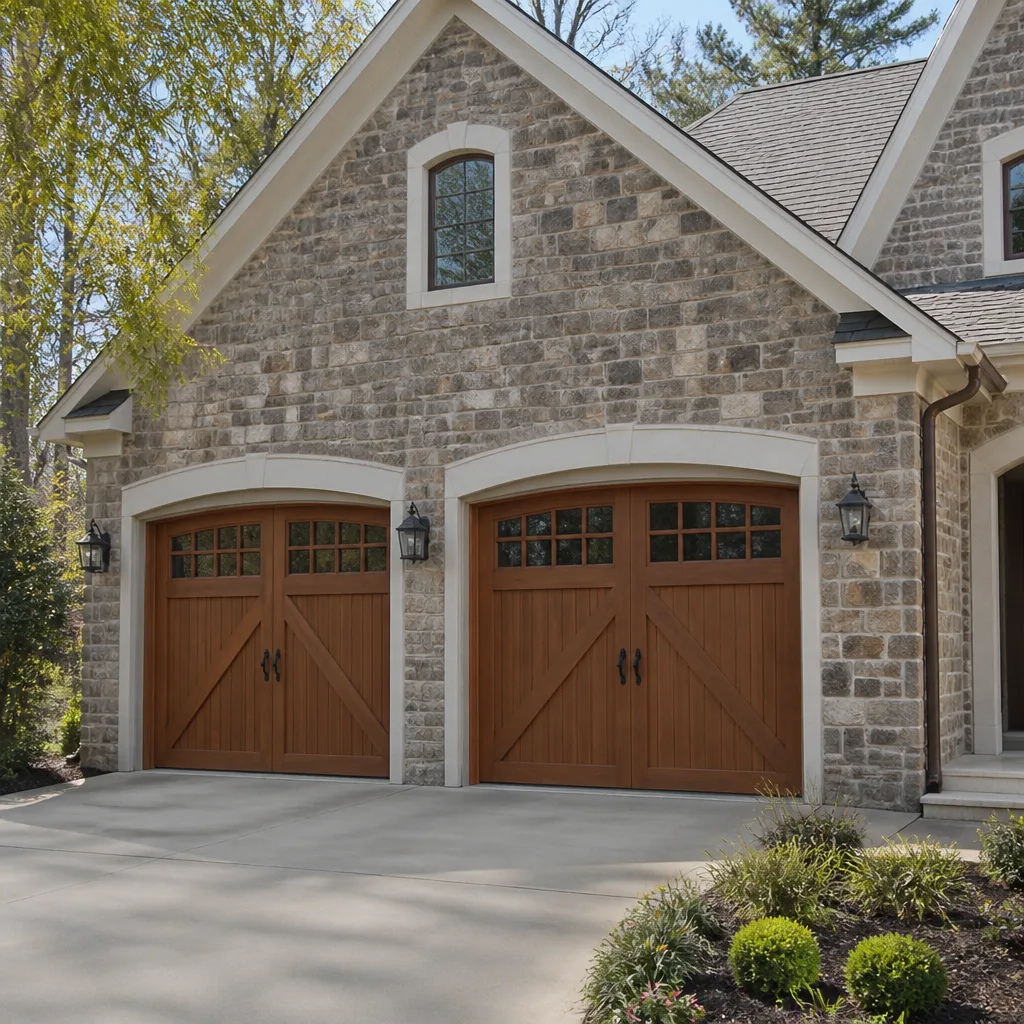 Carriage house
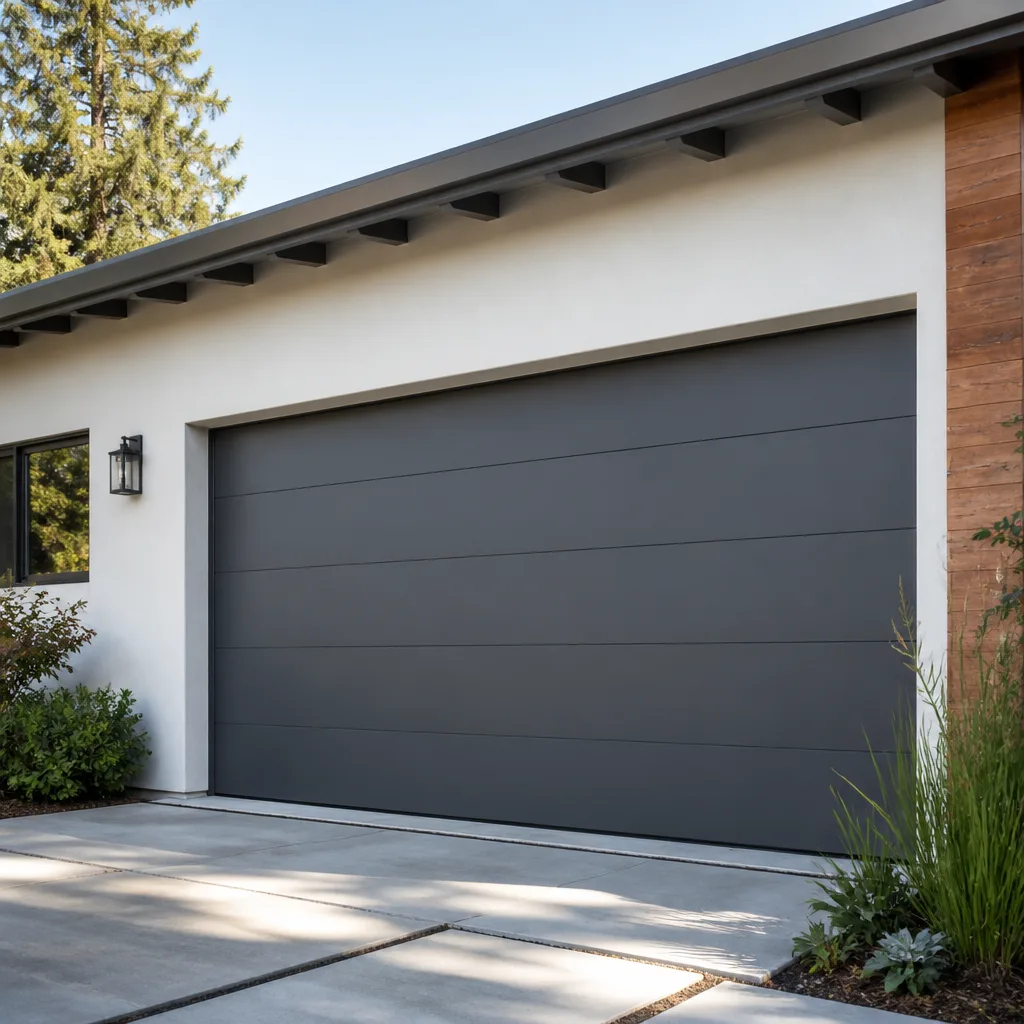 Modern flush
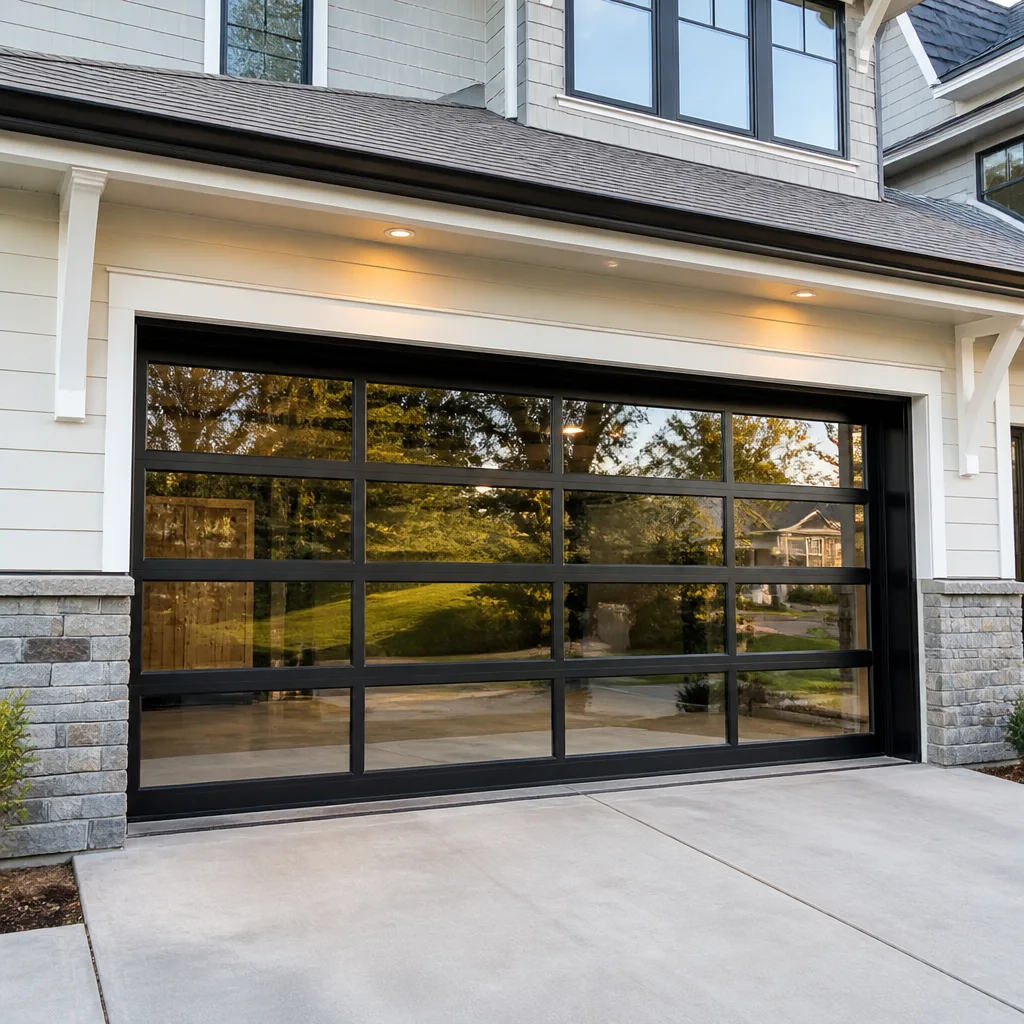 Full-view glass
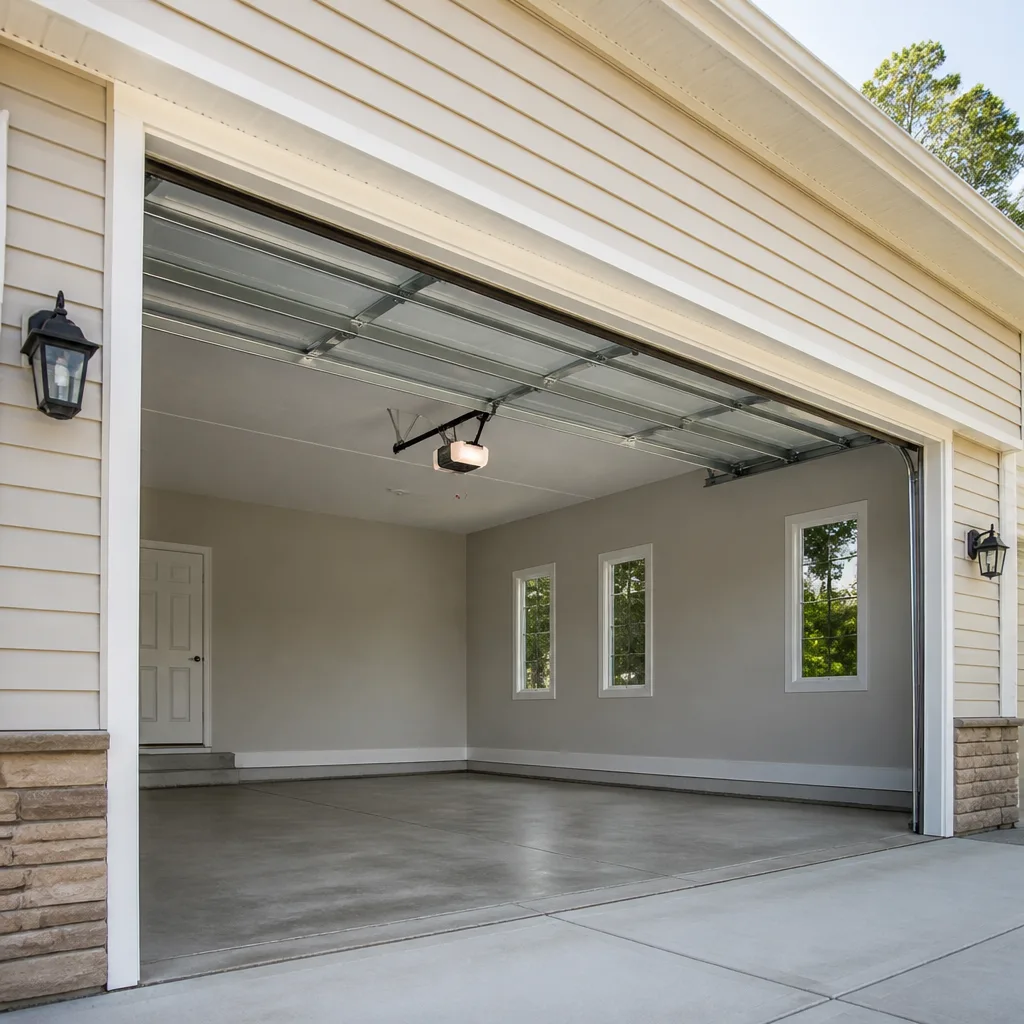 LiftMaster openers
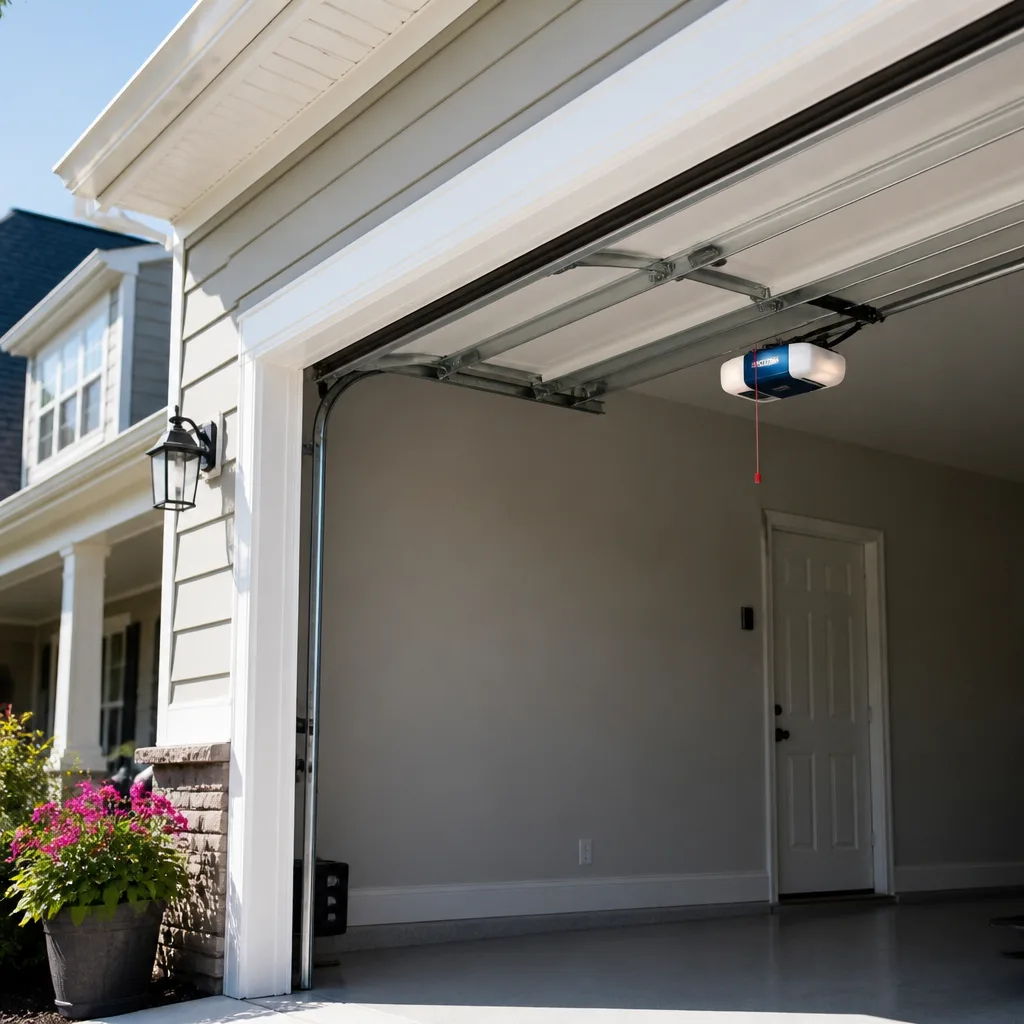 Chamberlain openers
Full 25-point door and opener safety check with every visit - springs, cables, rollers, tracks, and your LiftMaster or Chamberlain opener included
You get a price before we start. It does not change when the pro arrives.
Get your free estimateSeasonal Garage Door Care for Easton: Year-Round Homeowner’s Guide
The garage door failure that happens in January was almost always preventable in October. The freeze just finishes what ignored warning signs started. That’s the part most homeowners miss: a garage door doesn’t fail because winter is cruel. It fails because the door went into winter with a torsion spring already weak, a close-force setting already too tight, and a bottom seal already flattened to the concrete. Easton sits in a part of Ohio where winter and the spring thaw create roughly 70% of the annual mechanical stress a door sees, so giving the other seasons equal attention leaves the worst windows underprepared. This guide walks through each season with the specific checks and adjustments that matter most in Easton weather.
Quick Answer
Seasonal garage door care in Easton means concentrating your effort where the climate stress is highest: late-fall prep for the deep winter cold, a thaw-window inspection for frozen track and seal damage, a humidity check for the summer months, and a full reset inspection in fall before the cold load arrives again. Most of the work is observation and adjustment, not tools-and-ladder labor. High-tension springs and cables are the exception: leave those to a trained technician.
Styles & brands we work with
- Raised-panel steel
- Carriage house
- Modern flush
- Full-view glass
- LiftMaster openers
- Chamberlain openers
Table of Contents
- Why Easton’s Four Seasons Don’t Create Four Equal Problems
- Pre-Winter Prep: The October Adjustments That Prevent January Failures
- The Freeze-Thaw Cycle and Torsion Springs: Why Ohio Cold Isn’t the Real Problem
- Spring Thaw Checklist: Tracks, Bottom Seals, and Threshold Alignment
- Summer Humidity: Wood Panels, Seal Adhesion, and Opener Circuit Boards
- Fall as the Annual Reset
- What Homeowners Can Check and What Stays Off Limits
- Easton-Specific Context: Housing, Weather Patterns, and What to Watch For
Why Easton’s Four Seasons Don’t Create Four Equal Problems
Spring, summer, fall, and winter don’t share the load evenly when it comes to garage door wear. In this part of Ohio, roughly 70% of the annual mechanical stress on a door lands in two windows: the deep-cold weeks of January and February, and the freeze-thaw cycles of March and early April. The other two seasons are comparatively gentle on the door’s moving parts. That imbalance is useful, because it tells you where to put your maintenance hours.
Winter stress comes from contraction. Metal tracks, torsion springs, hinges, and the door panel itself all shrink in the cold. Torsion springs in particular lose tension as the ambient temperature drops, so a spring that balanced perfectly in October needs more force to lift the same door weight in January. That added force lands on the opener, the hinges, and the roller bearings. If any of those were already marginal, they fail.
The freeze-thaw window adds water to the picture. Snowmelt pools at the threshold, then refreezes overnight. The bottom seal absorbs water, expands, and re-freezes in a different shape. Concrete heaves. Track anchors loosen as the ground moves under the slab. A door that tracked perfectly in November starts rubbing the jamb by late March.
Summer and fall are the recovery and reset seasons. Summer heat and humidity work mostly on softer materials, and fall is the low-stress window most homeowners use to get a full inspection on the books before the cold load returns. If you treat all four seasons as equal maintenance events, you spend the same hours on the low-stress ones as the high-stress ones. Put the effort where the load is. In Easton, that means October prep is worth more than any single check you can do in June.
How to Think About Your Door’s Annual Load
A useful mental model: the door carries its highest mechanical load during the coldest weeks of the year, and the highest moisture load during the thaw. Everything else is preparation or recovery. Build your maintenance calendar around those two facts and you’ll catch problems when they’re cheap to fix rather than when they’ve become a broken spring on a Tuesday morning.
Pre-Winter Prep: The October Adjustments That Prevent January Failures
October is the highest-value maintenance month on the Easton garage door calendar. A door that goes into winter with the right spring tension balance, a properly tuned close-force sensitivity, and a compressed weather seal will survive the cold weeks without a service call. Skip that prep and you find out in January.
Spring Tension Balance
Torsion springs don’t have a user-adjustable setting, but they can be checked for balance. With the door closed and the opener disconnected (follow the manual’s release procedure for your model), lift the door by hand to about halfway. A well-balanced door stays where you leave it. A door that drifts back toward the floor is telling you the spring has lost some lift, and it’ll lose more in cold weather. That check is safe and useful. Adjusting the spring itself is not a homeowner job; the springs carry enough stored force to break bones. Call a trained technician if the balance is off.
Close-Force Sensitivity
Every modern opener, including LiftMaster, Chamberlain, Genie, and Craftsman units, has a close-force sensitivity setting. That’s the amount of resistance the opener will push through before it reverses. In the cold, seals stiffen, hinges dry out, and the door tracks a fraction tighter than it did in warm weather. If close force is set at the top of its range so the door “just closes firmly,” a cold snap will push it into safety-reversal territory. The door goes down partway, reverses, and the homeowner thinks the opener failed. What actually happened is the sensitivity was never tuned for winter. Check the manual for your brand, and back the sensitivity down to the lightest setting that still closes the door fully. If you’ve never adjusted it, this is a job worth handing to a technician who works with your brand regularly. garage door opener repair covers what’s involved if the opener itself has gone bad.
Weather Seal Compression
The bottom seal compresses against the concrete floor every time the door closes. After a few seasons, it flattens. On a warm October day, a flattened seal still looks fine. At 15 degrees, the rubber stiffens, doesn’t conform to the floor’s contour, and leaves visible light gaps. Run a hand along the floor seam while the door is closed. If you can see daylight under the door from inside the garage, or feel cold air moving through, the seal needs replacement before winter. Pre-fit-and-trime seal and threshold kits from Amarr, Wayne Dalton, and Clopay doors are widely stocked and easy to replace. garage door parts supply covers which brands we source.
Other October Prep Steps
- Lubricate hinges, rollers, and the torsion spring’s bearing plate with a garage-door-specific lubricant (not WD-40).
- Tighten every bolt on the track hangers, hinges, and operator rail. Cold contracts fasteners and lets them rattle loose.
- Test the opener’s safety reversal with a 2×4 laid flat under the door. If the door doesn’t reverse on contact, the sensitivity is set wrong.
- Test the photo-eye safety sensors on both sides of the door. Clear away leaves and snow-drift debris that will block them.
- Check the opener’s battery backup if it has one (many LiftMaster and Chamberlain models do).
- Clear the track channel of any packed-in sand or grit before the first freeze.
The Freeze-Thaw Cycle and Torsion Springs: Why Ohio Cold Isn’t the Real Problem
Sustained cold is easier on a torsion spring than a freeze-thaw cycle. That’s a counterintuitive point, and it’s the one most Easton homeowners don’t know. A spring that sits at 20 degrees for two weeks operates consistently. It contracts once, holds its contracted state, and the door tracks the same way every cycle. The dangerous situation is when the temperature swings back and forth across the freezing mark.
The Temperature Range Where Snap Risk Peaks
In our experience with Easton doors, the spring-failure window peaks when the overnight low dips below freezing and the daytime high climbs back into the low 40s. That’s not deep winter; that’s late February and most of March. A typical Easton freeze-thaw week runs roughly 25-30 degrees at night and 38-45 degrees during the day, and the spring goes through that expansion-contraction cycle daily.
Why is that harder than sustained cold? Because each contraction-then-expansion cycle stresses the spring steel at the same bend points. Steel fatigues fastest under cyclic stress, and a spring that has already lost tension is closer to its breaking point. When it snaps, it usually snaps at the coldest part of the daily cycle, which is why most spring failures happen in the morning. That’s also why a fresh set of springs installed in October will outlast a marginal set that goes into winter with a load it can’t sustain.
What to Watch For
You can’t visually diagnose a spring’s remaining life. What you can do is listen and watch:
- A single loud bang from inside the garage, often at first daily opening, is a spring breaking. The door will become very heavy, and the opener may lift it partway and stop.
- A visible gap in the spring coil (a coil that’s physically separated from its neighbors) means the spring has already broken.
- A door that lifts unevenly or feels heavier than it did last month is telling you the spring is losing tension before it fails.
- A torsion bar that’s visibly bent, or a spring that has shifted off its center bracket, needs immediate attention.
Spring replacement isn’t a DIY job. High-tension torsion springs carry enough stored force to cause serious injury if a homeowner tries to unwind them without the right winding bars and training. Our technicians have up to 8 years of experience, and spring repair is the specialty we handle most. Pair replacement is the standard because matched springs wear at the same rate; replacing one side and leaving the other usually results in a second call within a season. A pair of springs costs roughly twice the single-spring figure quoted for repair. garage door spring repair covers what the service involves.
Spring Thaw Checklist: Tracks, Bottom Seals, and Threshold Alignment
The ground moves in Easton every March. Frost leaves the soil, concrete slabs heave slightly, and garage door tracks often end up a fraction of an inch out of vertical plumb. On its own, that’s a small shift. Combined with a bottom seal that’s been squashed all winter, it produces the misalignment problems homeowners call about in April. Run this checklist every spring, ideally before the first heavy rain.
- Check track vertical plumb on both sides. Use a level or a plumb line. If the tracks are no longer parallel, the door will rub one side of the jamb. Loosening the anchor bolts and re-plumbing the track is a technician job on most doors; don’t try to force it with a pry bar.
- Inspect the bottom seal for gaps. Close the door and look along the floor seam from inside. A seal that no longer contacts the floor at every point lets in water, drafts, and pests. A torn or separated seal comes off easily with a flathead screwdriver; replacing it is one of the easier upgrades. New threshold kits fit via the door’s bottom retainer.
- Check the concrete threshold for cracks or spalling. Hairline cracks are normal after a thaw. A larger crack or a separated threshold strip means water is pooling under the door, which speeds seal wear and can damage the garage floor slab. Call a concrete contractor for anything wider than a hairline.
- Re-torque the track anchor bolts. As the ground shifts, wall anchors loosen. A 1/2-inch socket and a firm hand tighten is enough; don’t over-torque and split the wood.
- Lubricate again. Winter strips lubricant from hinges and rollers. A fresh application in March extends the working life of both.
- Test the opener’s balance. Disconnect the door from the opener and lift it halfway. It should stay put. If it drifts, spring tension is likely off and needs a technician.
- Clear the tracks. Sand, grit, and bits of broken seal collect in the track channel. A shop vac pulls it out. Never lubricate the track itself; the rollers do the rolling.
The single most common spring problem we see in Easton homes after a thaw is a bottom seal that’s flattened and separated at both ends. That’s a quick, low-cost fix, and using a properly sized replacement seal instead of a universal one makes a visible difference in how well the door seals for the rest of the year.
Summer Humidity: Wood Panels, Seal Adhesion, and Opener Circuit Boards
Summer in Easton is the season most homeowners skip. That’s a mistake if you have a wood or wood-look door, or if your opener lives in an un-air-conditioned garage. Humidity is the operative force, not heat.
Wood Door Panels
Wood doors swell in humid weather. If your door is wood, or has wood stiles and rails under a painted finish, summer is the season the panels expand most. Paint or stain that’s cracked or chalky lets moisture reach bare wood, and the panel cups. Cupping is visible from inside the garage when you look down the door’s straight edge; if the door face looks wavy instead of flat, moisture is getting in. The fix is a fresh topcoat before the wet season, not after. Do that in May or early June.
Bottom Seal Adhesion
Heat softens the adhesive that holds the bottom seal into its retainer channel. In a garage that gets above 100 degrees during a July afternoon, a seal that stuck fine in March starts to peel at the ends. That’s the failure mode the “seal looks fine” homeowner misses. Run a finger along the seal’s ends once a month during summer; if it lifts easily, the retainer is losing grip. On many doors the fix is a new seal with a tighter-gauge retainer, not more adhesive.
Opener Circuit Boards
Circuit boards don’t like heat or humidity, and garage openers sit in exactly the environment that has both. Common summer failures we see on LiftMaster, Chamberlain, Genie, Raynor, and Craftsman units include:
- Intermittent operation: the opener opens on the wall button but not the remote, or vice versa.
- Lights that flicker or stay on when they shouldn’t.
- The opener reporting a fault code on its display panel (check your manual for the specific code).
- Photo-eye sensors that trip in high afternoon heat but work in the evening.
None of these are a fire hazard, but any of them can leave you locked out. If the opener is doing something it didn’t do last summer, that’s the season to have it looked at. LiftMaster and Chamberlain’s newer units often have diagnostic codes that make diagnosis fast for a technician who knows the brand. garage door repair covers the full range of what a same-day visit can address.
What Summer Maintenance Looks Like
- Touch up paint or stain on any wood components before the wet season.
- Check the bottom seal’s adhesion at both ends monthly.
- Listen for any change in the opener’s motor sound. A hum or whine that wasn’t there in spring means a bearing or gear is failing.
- Clear the area around the opener of stored items that trap heat.
- Test the opener’s safety reverse monthly; it’s a two-minute check.
- Make sure the door has about an inch of airflow behind it in hot garages. An extra vent doesn’t help the door much, but it does help the opener.
Fall as the Annual Reset
By late September, most of the door’s seasonal stress comes back down to manageable levels. The heat and humidity are gone. The freeze hasn’t started. Tracks are back in near-position. That narrow window is the best time of year in Easton to get a full inspection on the books, because it’s the season before winter’s load lands. Every issue you find and fix in September is a call you don’t make in January.
What a Fall Reset Covers
Fall is the season for anything that requires putting a technician on the door. That means:
- Spring balance check with the opener disconnected.
- Roller bearing inspection: worn rollers replace cheaply, failed rollers damage the track.
- Cable inspection: cables fray with age, and a frayed cable is a snap risk. It’s a technician check.
- Hinge wear check, especially the bottom and top hinge pairs.
- Opener gear and rail inspection.
- Opener close-force re-tuning for cold-weather operation.
- Full safety reversal and photo-eye test.
If your door is more than a few seasons old and has never had a full fall inspection, that’s the single most valuable maintenance investment you can make in Easton. The springs and cables are the parts most likely to fail during the winter, and they’re also the parts an inspection catches before they break.
Fall is also the smart season to replace a door that’s reached the end of its life. If the door panel is showing more than surface wear, the opener is at end-of-life, and a spring is overdue, the math on a repair-versus-replace comparison gets clearer when you’re not under pressure. garage door installation explains what the new-door process involves. The free measure and written quote are set before any work is ordered.
What Homeowners Can Check and What Stays Off Limits
The safest seasonal maintenance is also the most useful. Most of what keeps a garage door alive through an Easton year is observation, cleaning, and light adjustment of the parts a homeowner can reasonably touch. The dangerous parts are packaged separately.
Safe Homeowner Checks
- Visual inspection of the door panel, tracks, and hinges.
- Balance test with the opener released (lift the door halfway and see if it stays).
- Safety reverse test with a 2×4 laid flat under the door.
- Photo-eye sensor test on both sides of the door.
- Light lubrication of hinges and rollers with garage-door-specific lubricant.
- Bottom seal inspection for gaps and adhesion.
- Cleaning the track channel of grit.
- Tightening visible bolts with a hand socket.
What Stays Off Limits
Torsion springs, extension springs, and the cables that run with them are the dangerous parts of the door. They’re under enough tension to cause serious injury even when the door appears closed and “off.” Cables can snap without warning. Springs can release their stored force in a fraction of a second. Winding or unwinding them without the right winding bars, technique, and safety setup is not a homeowner task, ever. Same with any adjustment to the spring’s tension, the cable drums, or the end bearing plates.
Our position on this is simple: if the fix involves a spring, a cable, or the track’s structural anchors, call a professional. If it involves a screwdriver, a shop vac, a hand socket, or a can of lubricant, it’s yours to handle. That line protects your safety and the door’s warranty.
Electrical work inside the opener’s housing is also off limits unless the homeowner is comfortable and qualified. Same for any work that involves disconnecting wires from the photo-eye sensors or the opener’s control board.
Easton-Specific Context: Housing, Weather Patterns, and What to Watch For
Easton’s garage door stock skews toward doors installed during the housing growth of the past few decades, which means most of the doors in the neighborhoods around Easton Town Center, along Morse Road, and in the subdivisions of the Stelzer Road corridor are somewhere in their second or third decade of service. Those doors are cycling through the same climate pattern every year, and the ones that have been maintained seasonally outlast the ones that haven’t by a visible margin.
Ohio weather is the operative variable. Easton sits in a climate zone where the transition from warm to cold and back again happens several times each winter, especially in the February-March window. That transition is what stresses springs and weather seals hardest, not the sustained depth of the cold. The older part of town, closer to the original Easton grid, has a lot of driveways facing north or east into prevailing winter wind, so the door on that side of a house sees more freeze-thaw cycling than a door facing south. If your driveway faces north or east, budget for the pre-winter prep earlier and expect a spring replacement sooner than your neighbor across the street.
Housing in Easton also spreads across three or four common garage door styles. The predominant one in newer subdivisions is a single- or double-car sectional door in steel with a wood-look embossed finish; those dominate the new construction and hold up well to humidity if the bottom seal stays tight. Older homes often have wood doors, which need the summer topcoat to survive. Panel-and-raised-panel doors from Clopay, Amarr, Wayne Dalton, and Raynor make up most of what our technicians see in Easton, and the recent move toward insulated doors has shortened the seasonal swing because the interior panel stays warmer in winter and drier in summer.
The practical takeaway: if you’re in a newer subdivision, focus on the bottom seal, the close-force setting, and the opener board. If you’re in an older home closer to the original Easton grid with a wood or wood-look door, prioritize the summer topcoat and the spring and cable inspection. Both profiles benefit from the October prep.
Common Mistakes to Avoid
- Treating summer maintenance like winter maintenance. The two seasons demand different attention. Summer is about moisture and heat; winter is about contraction and spring tension. Running the same checklist in July and January misses both.
- Skipping the fall inspection because the door “looks fine.” Springs fail without visible warning. The fall inspection is about what you can’t see, not what you can.
- Oil on the tracks. Lubricating the track itself attracts grit and speeds roller wear. Oil belongs on hinges, rollers, and bearing plates, never on the track channel.
- Replacing one spring instead of a pair. Matched springs wear at the same rate. A new spring next to an old one puts uneven tension on the torsion bar and the door panel.
- Setting close-force too high “so it shuts tighter.” It shuts tighter for a few months, then fights the stiff cold-weather seal and trips the safety reverse. It’s a recurring service call in Easton.
- Using universal seals instead of the correct size. A tight universal seal beats a loose custom one, but a properly sized seal from your door’s brand (Amarr, Clopay, Wayne Dalton, Raynor) makes it through the thaw intact and the universal often doesn’t.
- Winding your own springs or touching cables. This is the mistake with the highest downside of any item on the list, and it’s the one homeowners most often think is safe because the door “isn’t moving” while they work on it. It is not safe.
See the difference
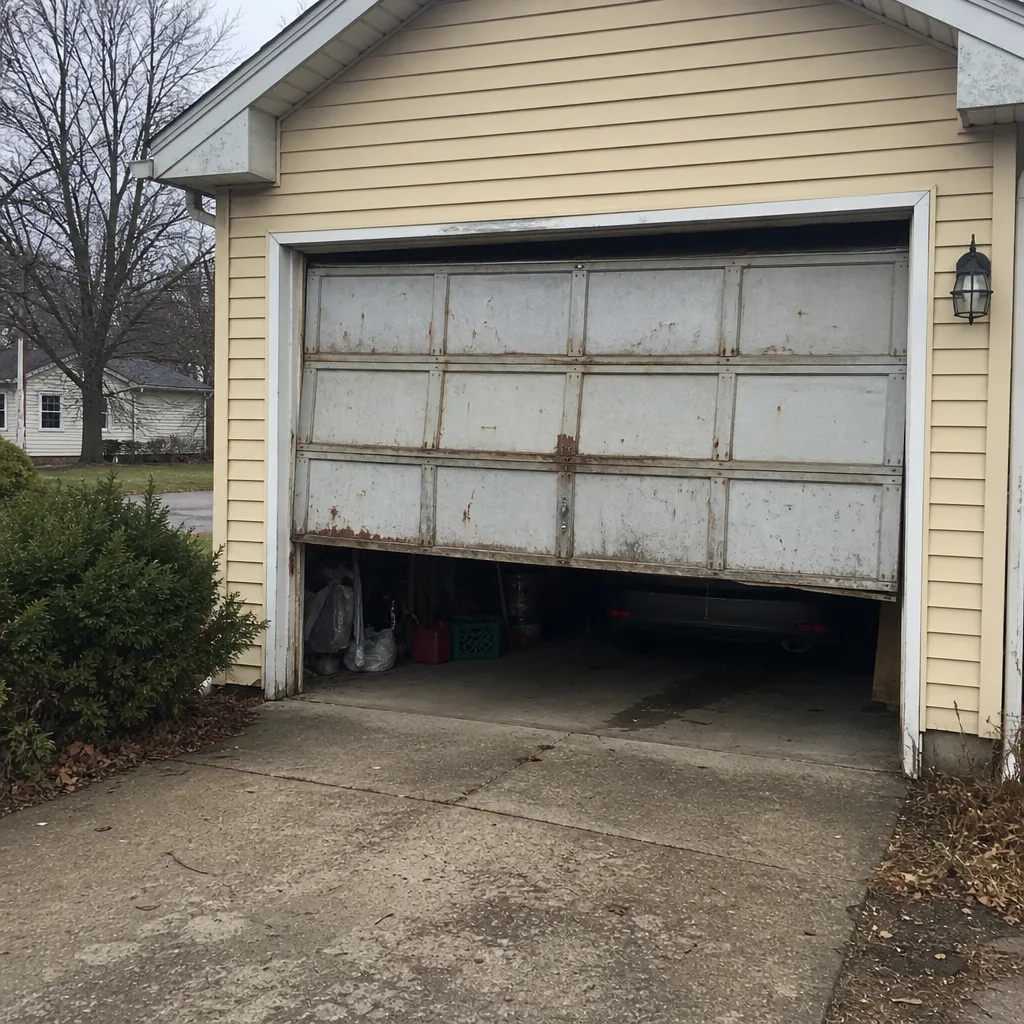 Before
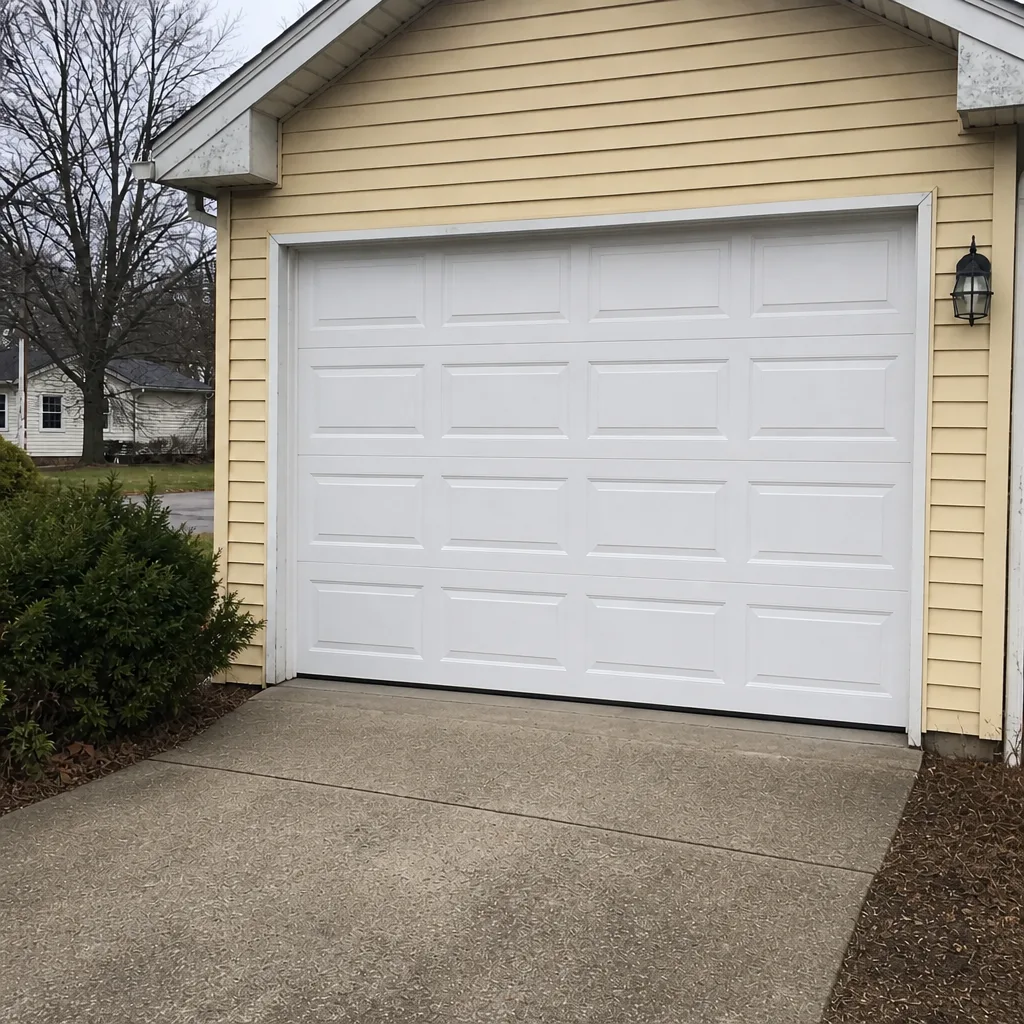 After
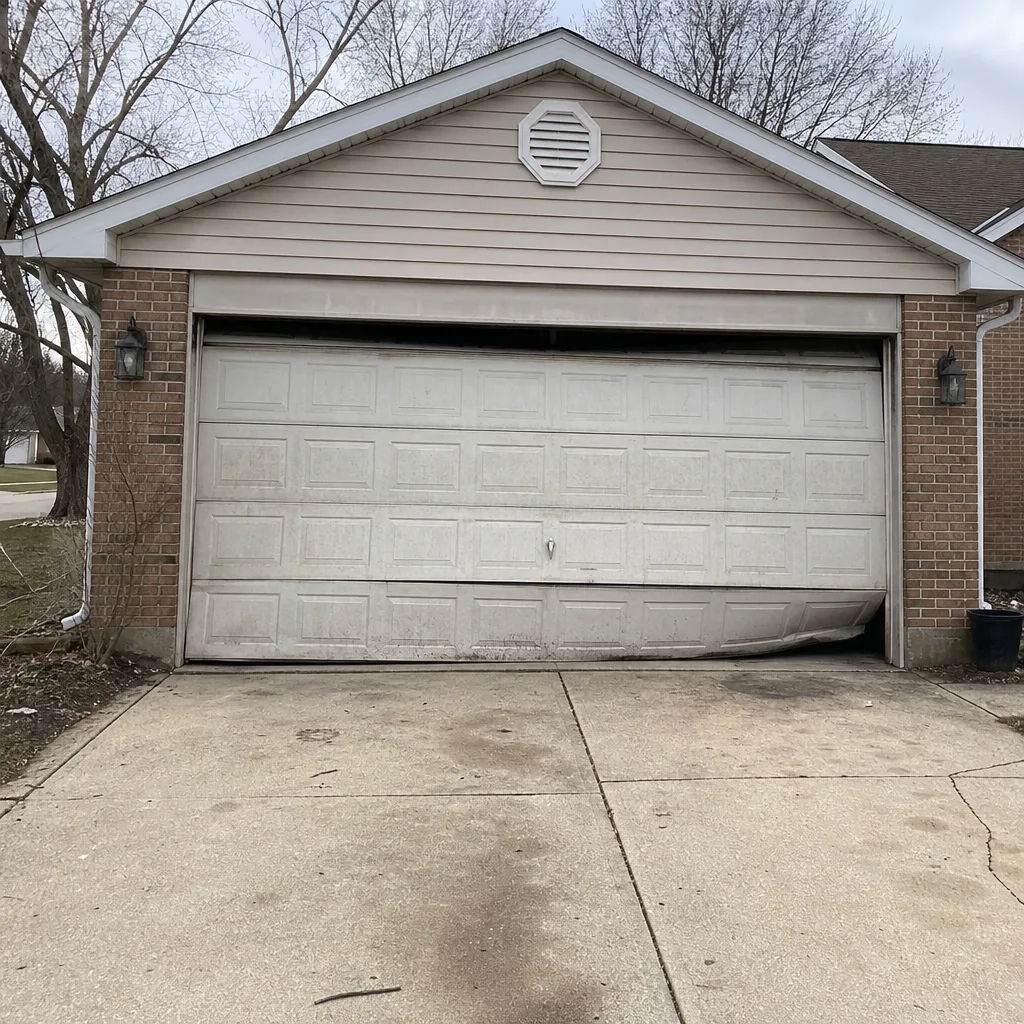 Before
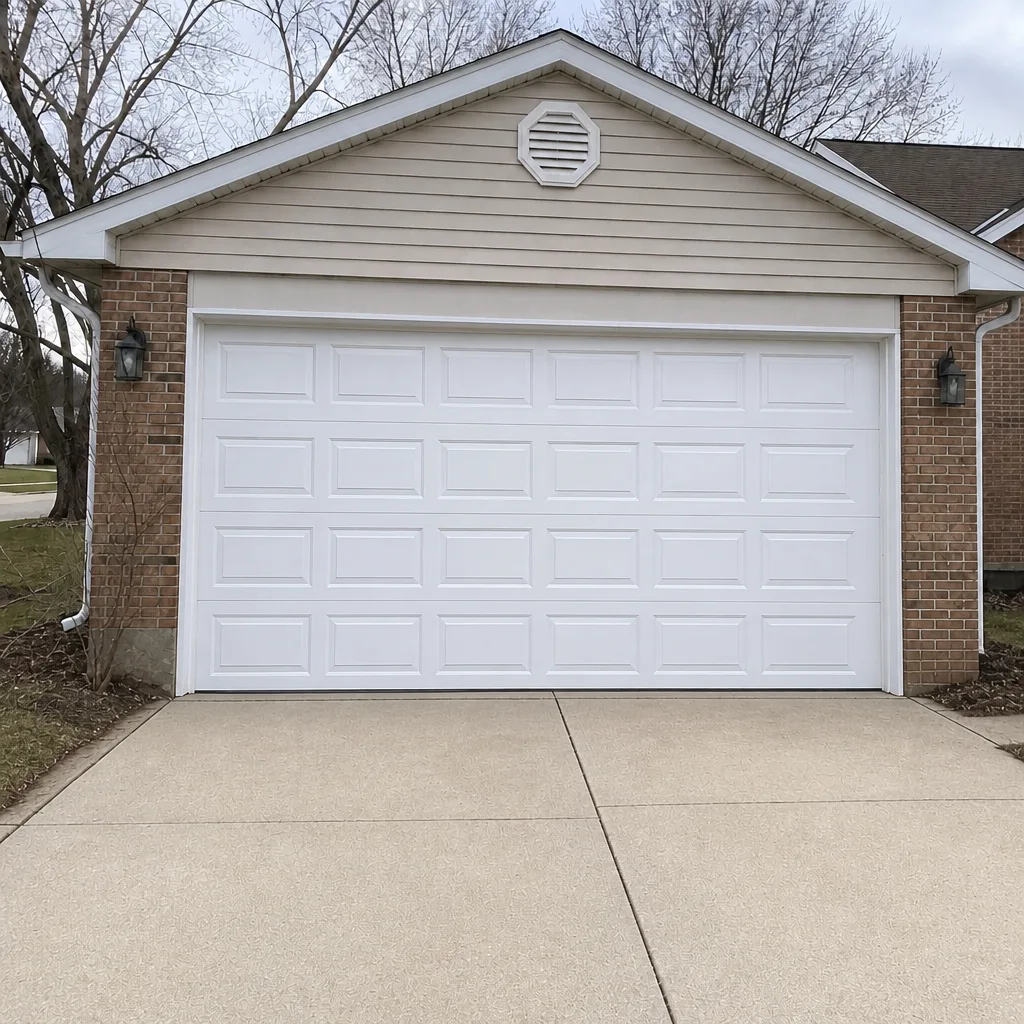 After
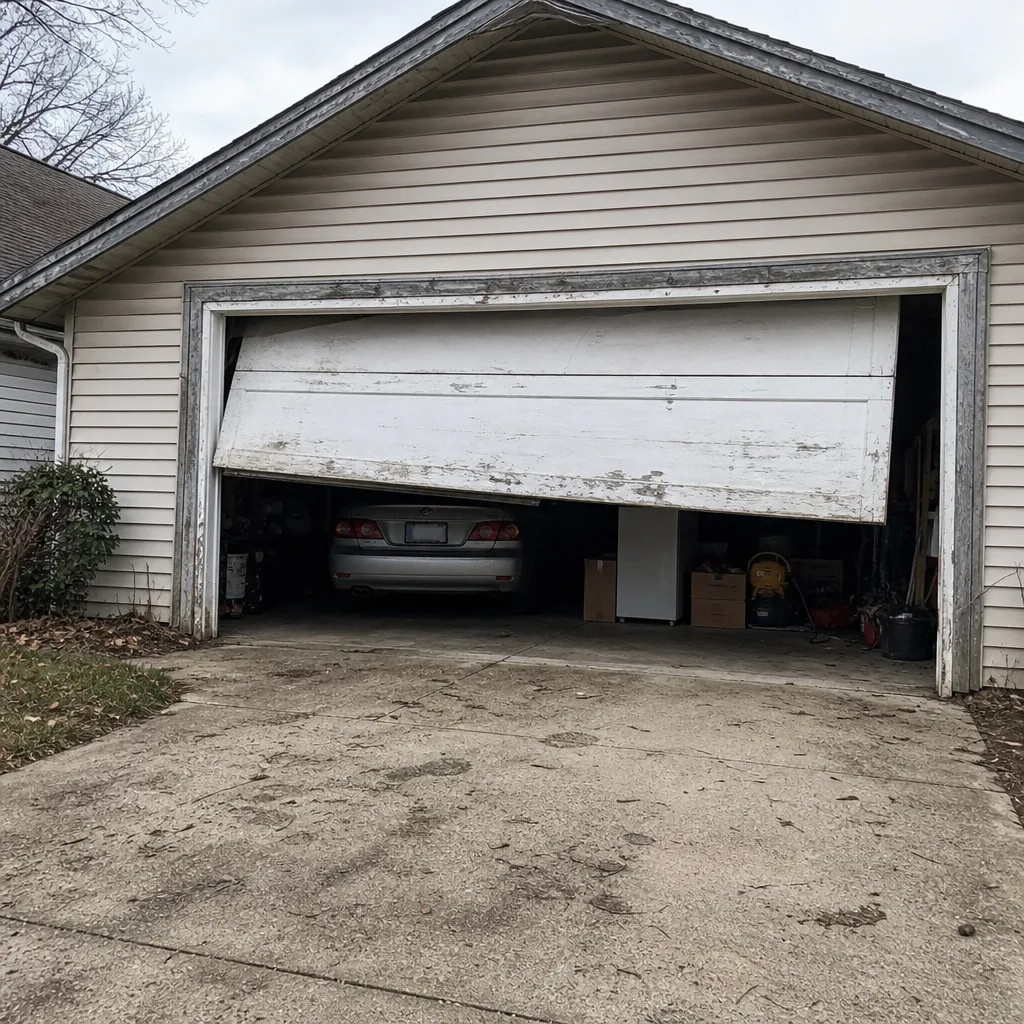 Before
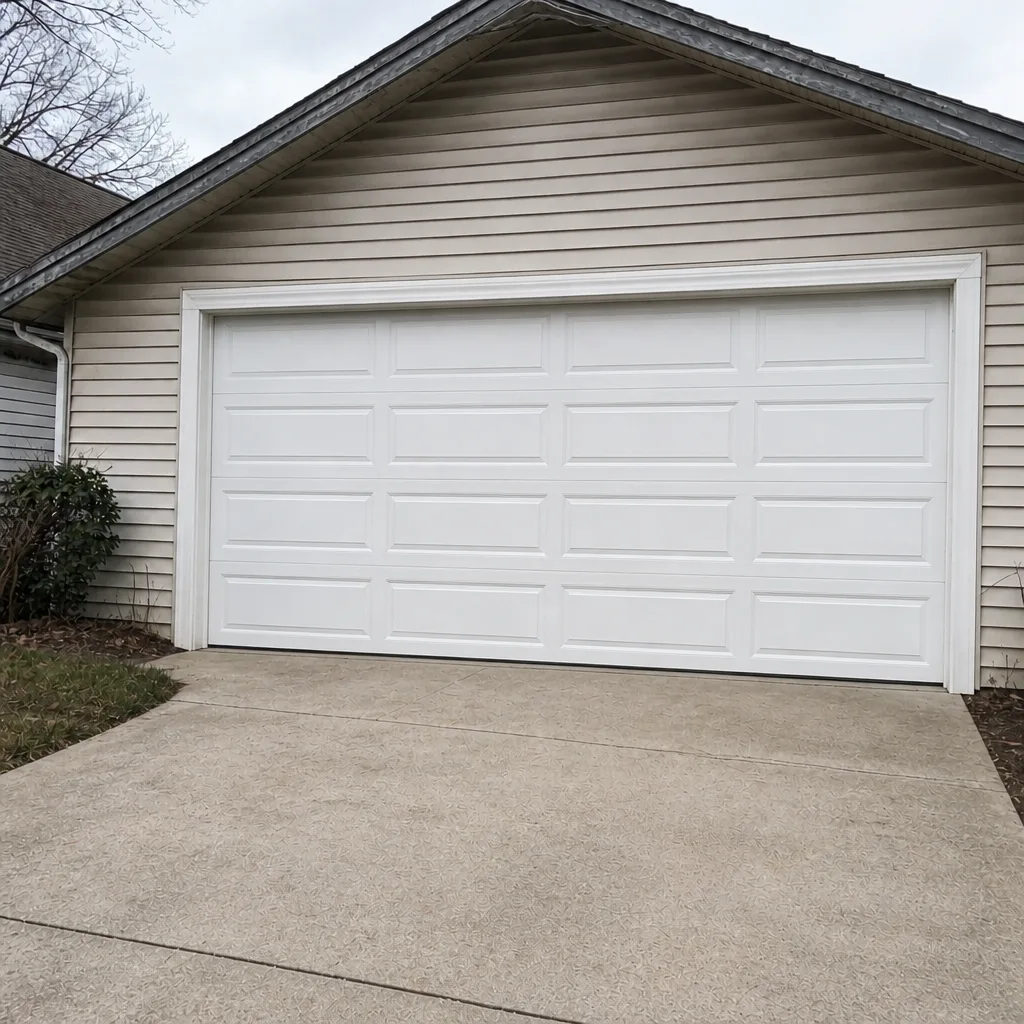 After
When to Call a Professional
A spring that’s broken, a cable that’s frayed, a door that lifts unevenly after a thaw, or an opener that reverses before it reaches the floor are all cases for a technician. A single loud bang from the garage, a visible gap in the spring coil, a door that won’t lift at all, or a track that’s visibly bent out of plumb are the same. If your door is over a decade old and has never had a full inspection, that’s also worth a visit, even without a symptom. Easton Garage Door Repair Pros offers free estimates in Easton – call (866) 926-2341. We answer 24/7. Fast dispatch from 7am to 7pm, Sunday through Friday. The price is quoted and agreed before any work starts.
Frequently Asked Questions
The October pre-winter prep. That’s the point where spring balance, close-force sensitivity, and bottom-seal compression all get checked and set before the cold load arrives. Everything else in the year is either recovery from winter or protection against summer humidity. Easton Garage Door Repair Pros handles the pre-winter inspection as part of a full-service visit. Call (866) 926-2341 for an exact quote – estimates are free.
Late February and March, during freeze-thaw cycles. Sustained cold is easier on the spring because it contracts once and holds; alternating cold nights and warm days stress it daily at the same bend points, and that’s what breaks it. The typical Easton snap window is when overnight lows dip below freezing and afternoon highs return to the low 40s. If your spring is more than a few seasons old, have it checked before that window. garage door spring repair is the core service we run through that season.
Yes, on most models. Spring replacement is our specialty, and we stock common spring sizes. A pair of springs costs roughly twice the single-spring figure, since matched springs wear together and should be replaced as a set. The price is quoted and agreed before any work starts. Call (866) 926-2341 for a free estimate.
No, not after the written quote. The quote is based on what the technician sees on-site: spring type, door weight, and any secondary issues. If something else is wrong and needs to be fixed to do the job, we discuss it before doing the work. Nothing gets added to the bill without your agreement. Call (866) 926-2341 for an exact quote – estimates are free.
Spring, cable, opener, and bottom seal repair usually don’t require a permit. A full door replacement typically does, and the rules vary by jurisdiction, so ask the Easton building department before you schedule a new-door install. For appointments, garage door installation covers what the process involves from the free measure through the written quote.
Once a year at minimum, and ideally twice – once in October before the cold load, once in late March after the thaw. The two visits catch the two windows of highest mechanical stress, which are winter and the freeze-thaw cycle. A door in its second or third decade of service benefits most from that schedule, especially if the driveway faces north or east. Call (866) 926-2341 to book the pre-winter visit.
The Bottom Line
Most of the seasonal care that keeps an Easton garage door healthy through the year is observation, cleaning, and the right adjustments at the right time. The single biggest lever is October prep, because it decides how the door handles the winter load. The second is the March inspection, because that’s when the freeze-thaw cycle leaves visible evidence of what broke. Summer and fall are for protection and reset. Springs, cables, and structural track work stay with a trained technician; everything else is fair game for a homeowner with a shop vac, a socket set, and a bit of patience. Build the calendar around those windows and the door stops surprising you.
Our technicians have up to 8 years of experience with the brands most common in Easton garages, including LiftMaster, Chamberlain, Genie, Clopay, Amarr, Wayne Dalton, Craftsman, and Raynor. We handle repair, opener repair, spring repair, and new installation under one roof, with parts on hand to cut the delays that come from ordering. Call Easton Garage Door Repair Pros at (866) 926-2341 for a free estimate. We answer 24/7. Fast dispatch from 7am to 7pm, Sunday through Friday.
Written by the team at Easton Garage Door Repair Pros.